

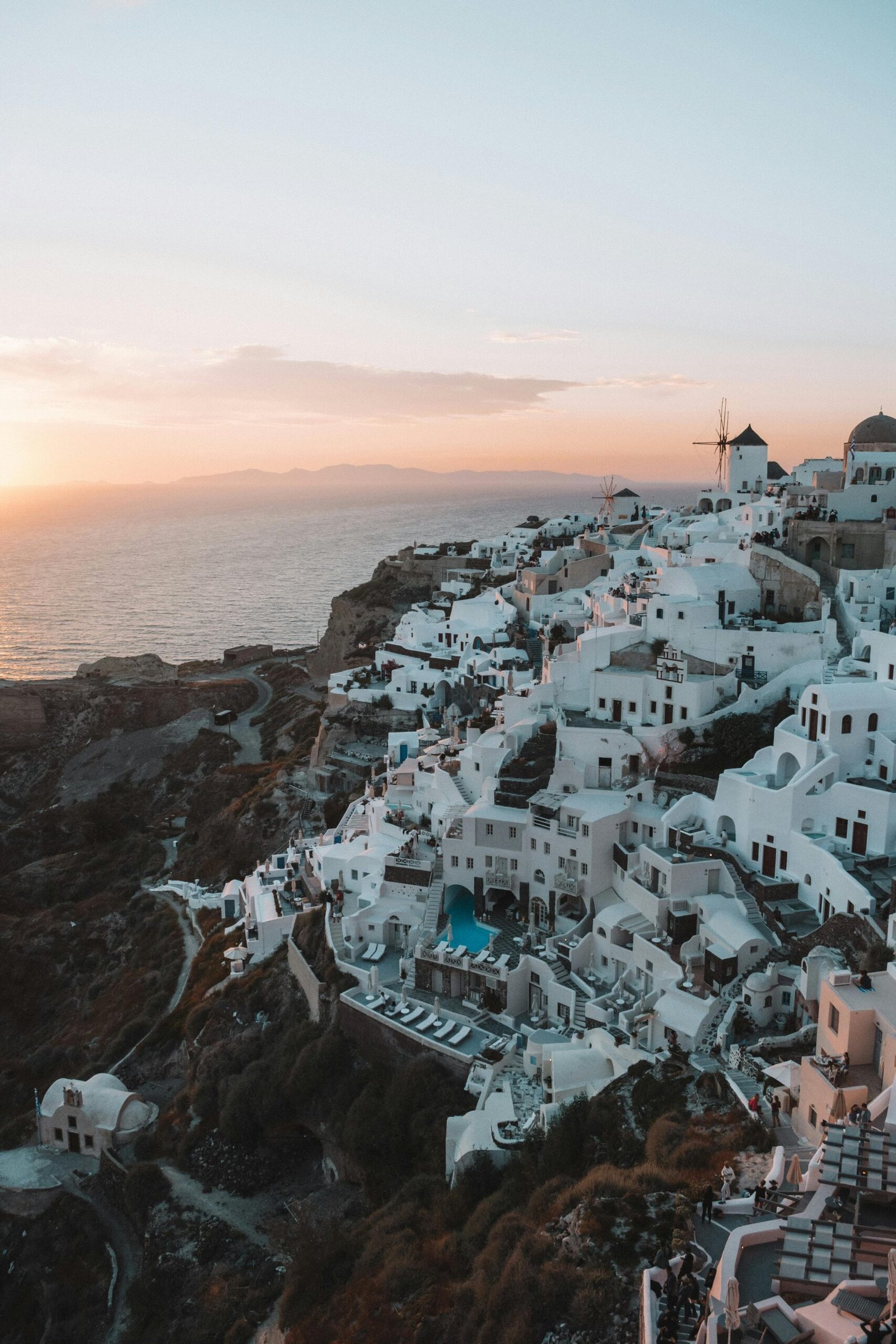
Why Most First-Timers to Santorini Leave Slightly Disappointed usually starts with a simple mental trap: people arrive expecting the island to perform the same way it looks in photos. They are not really choosing Santorini for Santorini; they are choosing an image of Santorini, then measuring the real place against it.
That gap matters more in peak season, when crowding, heat, and inflated expectations turn ordinary friction into emotional letdown. The mistake is rarely ignorance. It is usually a very specific assumption about what the experience is supposed to feel like.
Why Most First-Timers to Santorini Leave Slightly Disappointed
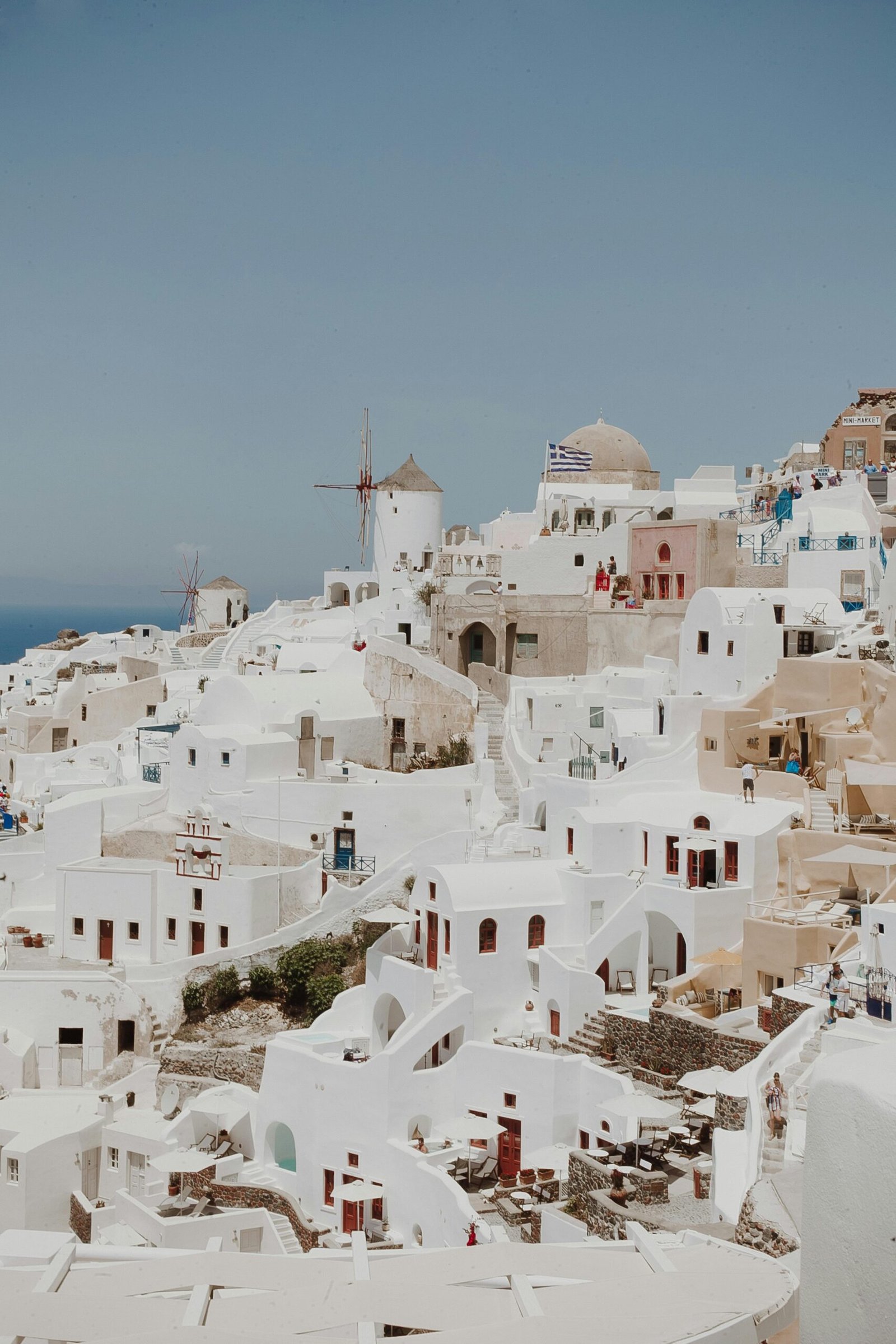
The first thing to understand is that Santorini is often booked as a feeling, not a destination. People want the visual shorthand: whitewashed edges, blue domes, sunset dinners, a sense that the island will deliver a clean, elevated version of Greek island life. That is why Why Most First-Timers to Santorini Leave Slightly Disappointed keeps coming up in real conversations, because the island is sold emotionally long before it is understood practically.
The problem is not that Santorini is overrated in a simple sense. The problem is that first-timers often expect ease, intimacy, and exclusivity in the same trip, then arrive in a place that is famous, compact, and heavily compressed by demand. In peak season, those three things do not coexist politely.
The image travelers buy is not the island they meet
Most first-time Santorini decisions come from aspiration. Travelers picture a polished escape where every view feels private and every meal feels special, because that is the version of the island they have absorbed from social media, wedding content, and luxury marketing. They are not being foolish; they are responding to a very effective emotional sales pitch.
The issue is that Santorini’s reputation is built on a narrow slice of the island. That slice can be excellent, but it is also the most exposed to crowds, price pressure, and timing stress. If you arrive expecting the whole island to feel like a curated suite balcony, you are setting yourself up for a mismatch before you even unpack.
Why Most First-Timers to Santorini Leave Slightly Disappointed in peak season
Peak season changes the psychology of the visit. The island becomes a test of patience, not just beauty. People who thought they were buying serenity discover they are managing queues, noise, heat, and the constant awareness that everyone else is trying to get the same photograph at the same time.
This is where disappointment usually starts: not at the dramatic viewpoint, but in the ordinary moments between them. A long wait for a table. A crowded path that feels smaller than expected. A sunset that is objectively good but emotionally underwhelming because half the island is standing in front of it. Why Most First-Timers to Santorini Leave Slightly Disappointed is often the result of a simple contradiction: they wanted a high-end experience, but they chose the island at the busiest moment to have it.
My clear position: if your main goal is a calm, unpressured Greek island experience, Santorini in peak season is the wrong choice. That is not a moral judgment. It is a practical one. The island can still be worth visiting, but only if you accept that its fame creates friction, and friction changes the mood of the trip.
The specific moment the disappointment usually hits
For many travelers, the emotional drop happens on the first evening. They have waited months for the “Santorini moment,” and then the reality is a crowded edge, a packed terrace, and a sunset that feels shared with hundreds of strangers. The view is still there, but the feeling they were chasing is harder to find.
That moment matters because it resets the whole trip. Once the first expectation breaks, travelers start scanning for more proof that the island is not matching the fantasy. Small inconveniences feel bigger. Costs feel sharper. Even beautiful parts of the day can feel slightly performative, as if the island is asking them to admire it on schedule.
One surprising thing I have seen repeatedly: the travelers most disappointed are often the ones with the highest budgets. Money does improve comfort, but it does not buy insulation from crowding, timing pressure, or the fact that Santorini’s most famous spaces are public-facing and heavily shared. Luxury helps with logistics; it does not erase the basic emotional math of peak season.
Who is most vulnerable to this pattern
Some traveler types are much more likely to feel let down, and the pattern is predictable.
- First-time Greece visitors who want one island to represent the country.
- Couples planning a milestone trip who expect the island to “create” romance for them.
- Travelers who choose Santorini mainly because they saw it everywhere online.
- People who dislike crowds but book during the busiest weeks anyway.
These travelers are not making irrational choices. They are making emotionally loaded ones. Santorini is often chosen to validate a fantasy: that the trip will feel effortlessly special, photogenic, and worth the splurge without much compromise. That is a risky way to choose any destination, and Santorini exposes it fast.
The emotional gap between expectation and reality
What travelers expect is control: a beautiful setting, clean pacing, and a sense that the island will deliver exactly what they came for. What they actually get is partial control at best. Santorini gives you great views, but it also gives you bottlenecks, visible tourism pressure, and a constant reminder that you are sharing the same small stage with many other people.
That gap is why some visitors leave saying, “It was beautiful, but…” The “but” is doing a lot of work. It usually means the island delivered the image but not the emotional state they had attached to it. When people say they felt underwhelmed, they are often describing a mismatch between the place and the role they wanted it to play in their trip.
If you want a broader picture of how Greece’s destinations differ in feel and seasonality, the official travel guidance at
VisitGreece is a better starting point than social media. It will not tell you what to want, but it will at least remind you that Greece is not a single experience.
How to approach Santorini differently
The right frame is not “How do I make Santorini match the fantasy?” It is “What version of Santorini is actually worth paying for?” That question changes the decision. It pushes you to think about what you want from the island: the architecture, the caldera views, the food scene, the sense of occasion, or simply the fact that it is Santorini.
Greece rewards travelers who arrive with a plan, but more importantly, it rewards travelers who know what they are trying to feel. If you want calm, choose differently. If you want spectacle, accept the trade-offs. If you want both, be honest that peak season Santorini is a compromise, not a miracle.
For travelers who care about the cultural context behind the places they visit, it also helps to remember that Greece is not just a backdrop for luxury travel. The country’s public institutions and heritage sites carry real weight, and the Hellenic Ministry of Culture is a useful reminder that the island image sits inside a much larger national story. Santorini is one piece of Greece, not the definition of it.
Conclusion: the better question to ask before you book
Before you book Santorini, ask what you actually want the trip to do for you. If the answer is “make me feel like I have entered the version I saw online,” you are setting yourself up for disappointment. If the answer is “give me a memorable, high-demand island experience and I understand the trade-offs,” you are in a much better place.
Why Most First-Timers to Santorini Leave Slightly Disappointed is not a warning to avoid the island. It is a warning to stop confusing an image with an experience. The travelers who enjoy Santorini most are the ones who know exactly which fantasy they are paying for, and which parts of the fantasy are not real.
Greece doesn’t punish inexperience. It punishes unexamined assumptions. The travelers who leave disappointed rarely lacked information — they lacked a framework for using it.
Frequently asked questions
Is Santorini actually disappointing for first-time visitors?
Not for everyone. The disappointment usually comes from expecting a calm, private, effortless experience in peak season. Santorini can be excellent if you understand that it is a high-demand destination with visible crowd pressure.
Why do so many first-timers feel let down by Santorini?
Because they book the image of the island, then meet the reality of a busy, expensive, tightly compressed place. The emotional mismatch is bigger than the physical one.
What is the most common mistake people make when choosing Santorini?
They assume the island’s famous look automatically translates into the same feeling in person. That assumption breaks down fast when the island is crowded and the timing is wrong.
Is peak season the main reason people are disappointed?
It is one of the biggest reasons. Peak season amplifies crowding, pricing, and wait times, which makes the island feel less exclusive and less relaxed than many first-timers expect.
Who is least likely to enjoy Santorini?
Travelers who strongly dislike crowds, want a quiet Greek island, or expect their destination to feel private and unhurried are the most likely to be frustrated.
What mindset leads to a better Santorini trip?
A practical one. Know what you want from the island, accept the trade-offs, and stop expecting the most famous parts of Santorini to feel untouched or exclusive in high season.