

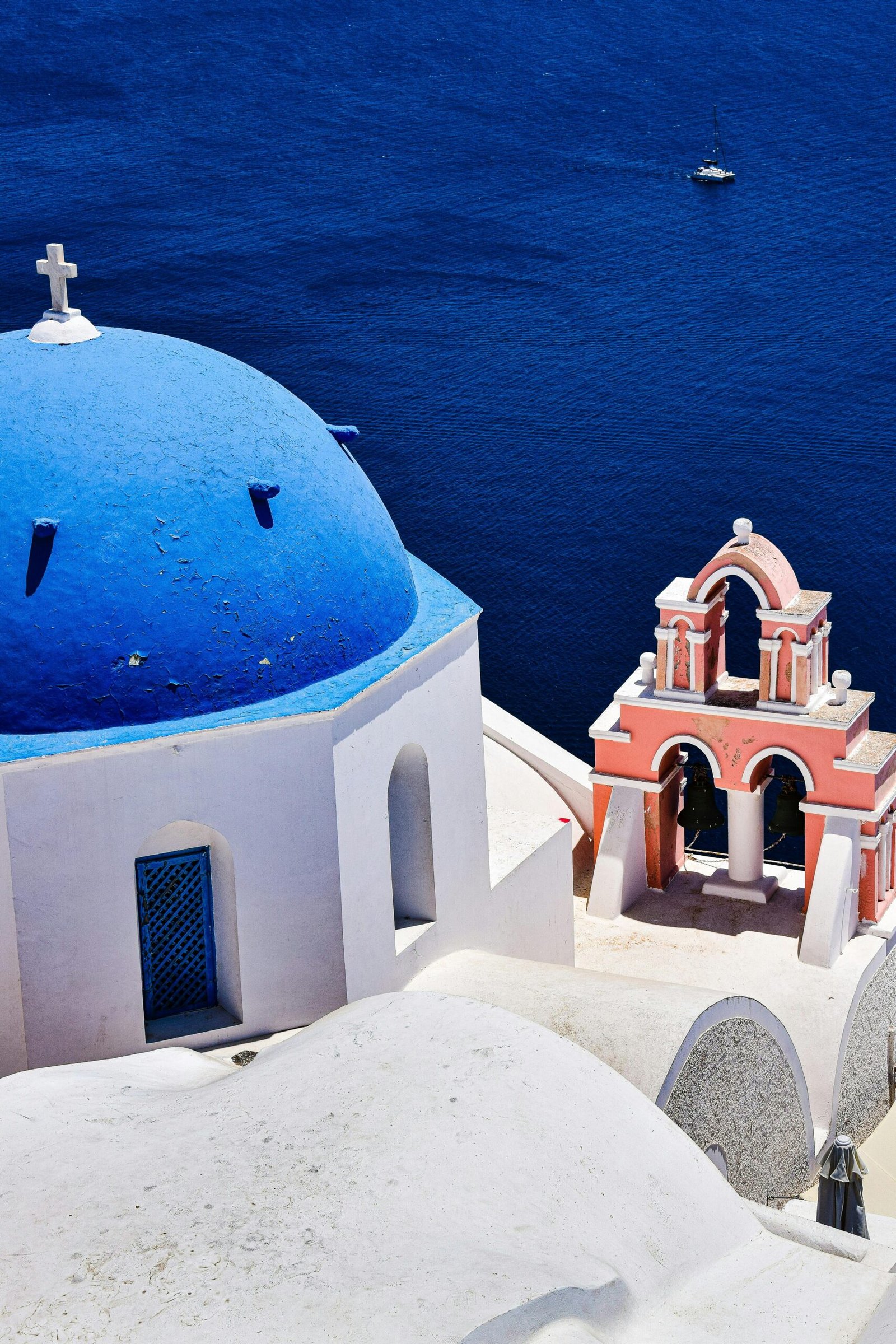
Why Most First-Timers to Santorini Leave Slightly Disappointed usually starts with a very specific assumption: that the island will feel as polished, calm, and personal as it looks in photos. That is not what peak-season Santorini delivers. It delivers crowds, compressed expectations, and a constant gap between the version people imagined and the place they are actually standing in.
The disappointment is rarely about Santorini being bad. It is about people arriving with the wrong emotional contract. They think they are booking a once-in-a-lifetime mood; in reality, they are buying into a high-demand destination with real limits, real friction, and very little patience for fantasy.
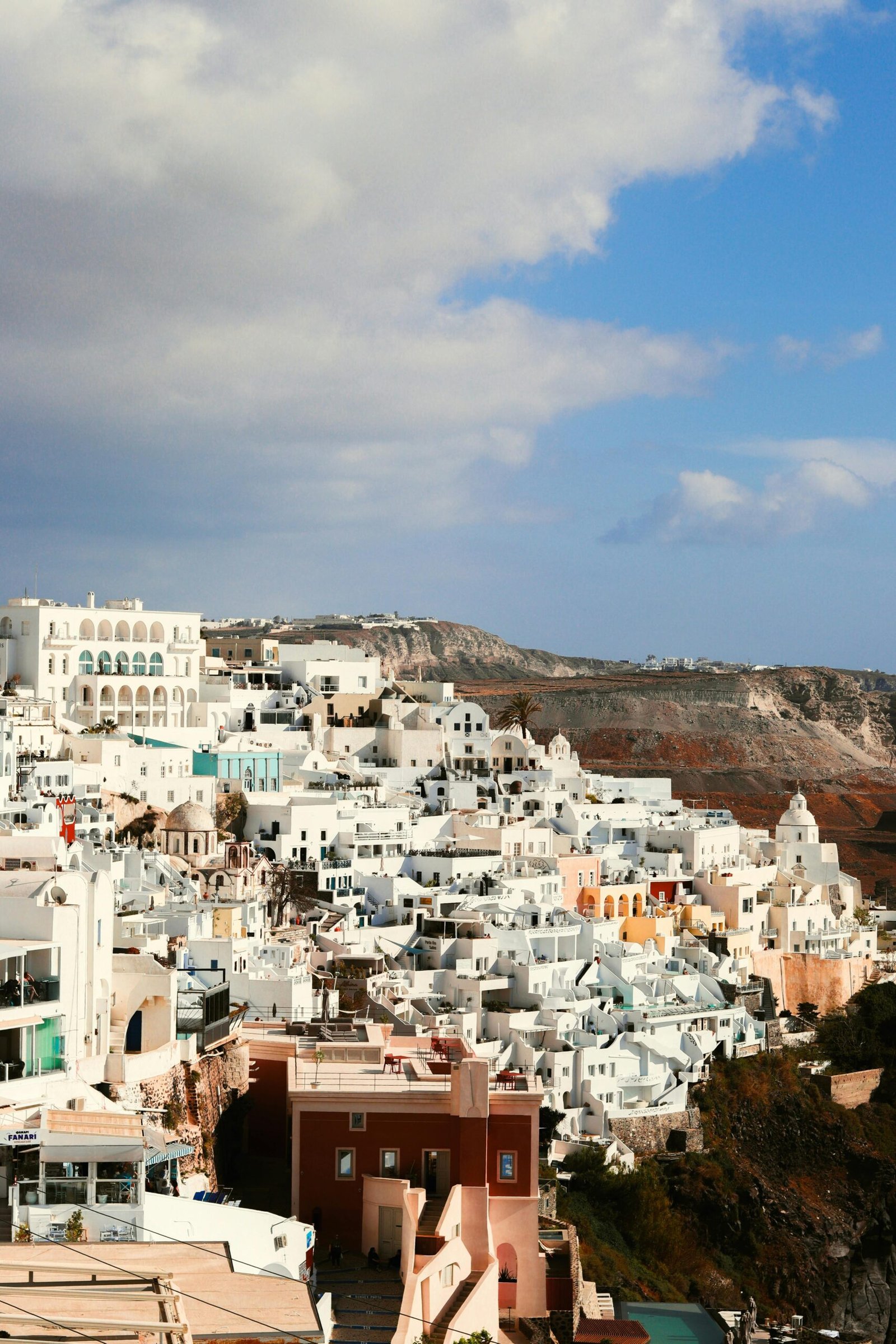
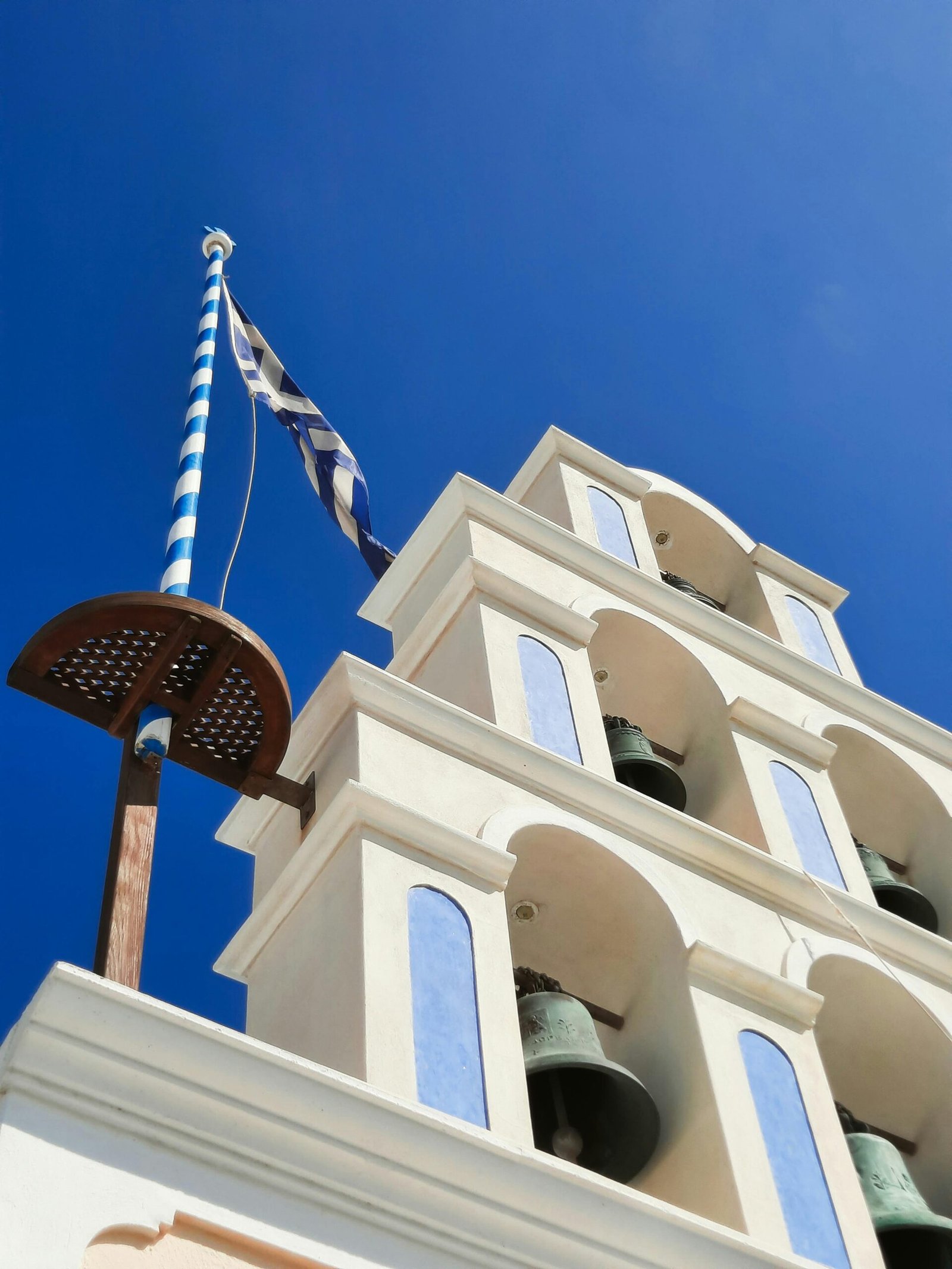
Why Most First-Timers to Santorini Leave Slightly Disappointed
The core mistake is not ignorance. It is projection. Travelers project a private, cinematic experience onto one of the most heavily photographed places in Greece, then feel let down when the island behaves like a popular place instead of a personal one.
This is why Why Most First-Timers to Santorini Leave Slightly Disappointed is such a useful question. It exposes the emotional trap: people are not choosing Santorini for what it is, but for what it has come to represent. That distinction matters, because disappointment usually begins before the trip even starts.
The fantasy is not about the island — it is about control
Most first-timers are not chasing geology, history, or even scenery in any serious way. They are chasing control: the feeling that a trip can be clean, effortless, and visually perfect. Santorini’s image feeds that belief because it has been packaged for years as the easiest Greek island to understand at a glance.
That is the trap. A place with strong branding can make travelers believe they already know it. Then they arrive and discover that the island is small, crowded, expensive, and highly exposed to peak-season pressure. The mismatch is emotional before it is practical.
Why Most First-Timers to Santorini Leave Slightly Disappointed is often the result of expecting a destination to behave like a finished product. Santorini is not a private set. It is a working island with tourism intensity that changes the feel of almost every experience in summer.
What travelers expect versus what they actually experience
People expect space, quiet, and uninterrupted views. They get congestion, timing stress, and a lot more people trying to capture the same angle. They expect romance to come naturally, then realize that romance gets harder when every popular spot feels managed by crowd flow and competition for attention.
The surprise for many first-timers is how fast the island starts to feel operational. You notice lines, bottlenecks, and the constant need to think ahead. That is not the mood most people pictured when they booked it.
One counterintuitive truth: Santorini can be more impressive when you stop trying to make it feel intimate. The moment travelers insist it should feel private, they start noticing every inconvenience. The island does not fail them; their expectation fails the island.
The moment disappointment usually hits
It usually hits when the traveler realizes the view is not the experience — it is just the backdrop. The first major friction point is often not the sunset itself, but everything surrounding it: the crowd, the wait, the noise, the sense that everyone is there for the same moment and no one is really having it privately.
That is where Why Most First-Timers to Santorini Leave Slightly Disappointed becomes real. The traveler expected a feeling of arrival and gets a feeling of management instead. They are not relaxing into the place; they are negotiating it.
The second hit is financial. Santorini is one of those destinations where the price level quietly changes the emotional tone of the trip. When travelers pay more than they expected for less calm than they imagined, disappointment becomes personal.
Why peak season makes the gap worse
Peak season does not just add people. It changes the entire psychology of the island. It makes every decision feel more consequential, every view more competed for, and every mistake more visible.
Many first-timers assume that if a place is famous, it must handle crowds gracefully. That is a bad assumption. Popularity and comfort are not the same thing, and Santorini is a clear example of that difference.
Greece rewards travelers who arrive with a plan, but Santorini punishes travelers who think fame equals ease. In high season, the island is less forgiving of vague expectations because the margin for a bad assumption is so small. That is when the wrong hotel area, the wrong timing, or the wrong idea of “relaxed” starts to matter.
Traveler types most prone to this pattern
First-time honeymooners are especially vulnerable because they are not just booking a destination; they are trying to protect a feeling. When the island feels crowded or transactional, it can feel like the trip is failing them personally. That is a hard emotional shift, and it happens fast.
Social-media-led travelers are another common group. They often arrive with a visual checklist and very little tolerance for anything that interferes with the frame. If the trip is judged mainly by whether it matches the image, Santorini is almost set up to disappoint.
Then there are the “one perfect island” travelers, who want Santorini to deliver the whole Greek-island fantasy in one stop. That is a mistake of compression. Santorini is intense, not comprehensive.
- Travelers chasing a honeymoon mood rather than a destination experience
- Travelers who select from photos instead of seasonality and crowd conditions
- Travelers who want one island to represent all of Greece
What a more realistic approach looks like
The better way to approach Santorini is to stop asking it to be effortless. Treat it as a high-demand, high-visibility island with a very specific appeal: dramatic terrain, strong views, and a level of tourism pressure that shapes nearly everything else.
That reframing changes the planning conversation. You stop asking, “Will it feel magical?” and start asking, “What kind of trip can this island actually support well?” That is a much more useful question, and it leads to better decisions.
If you want the broader context for how Greece’s destinations differ in feel and seasonality, start with
Visit Greece. It is a better baseline than relying on social media, which tends to flatten the country into the same few visual clichés.
Why Most First-Timers to Santorini Leave Slightly Disappointed is not a warning — it is a correction
I do not think Santorini is overrated in the simplistic sense. I think it is misread. People confuse visual familiarity with emotional compatibility, and that is where the trouble starts.
Why Most First-Timers to Santorini Leave Slightly Disappointed is really about the cost of arriving with borrowed expectations. Once you understand that, the trip becomes easier to judge honestly. You may still love it, but you will know what you are loving.
If you are trying to understand the island in a broader cultural context, the Hellenic Ministry of Culture is a useful reminder that Greece is not a backdrop first and a place second. That distinction matters more than most first-timers realize.
Conclusion
Greece doesn’t punish inexperience. It punishes unexamined assumptions. The travelers who leave disappointed rarely lacked information — they lacked a framework for using it.
Frequently asked questions
Why do first-time visitors often feel disappointed in Santorini?
Because they arrive expecting a private, effortless version of the island that does not match peak-season reality. The gap between image and actual experience is usually the real problem.
Is Santorini only disappointing in summer?
Summer makes the mismatch worse because crowds, prices, and pressure are higher. The island’s core appeal is still there, but it is harder to experience cleanly in peak season.
What is the biggest mistake first-timers make about Santorini?
They assume the island will feel intimate and easy because it looks polished in photos. That assumption creates the disappointment more than any single bad moment.
Who is most likely to leave Santorini underwhelmed?
Honeymooners, social-media-driven travelers, and people trying to make Santorini stand in for all of Greece are the most prone to disappointment.
Does Santorini deserve the hype?
It deserves its reputation for dramatic views and strong visual identity. It does not deserve the expectation that it will feel calm, private, or simple in high season.
How should I think about Santorini if I want a better experience?
Treat it as a high-demand island with a narrow but real strength set. The more honestly you define what you want from it, the less likely you are to feel let down.