

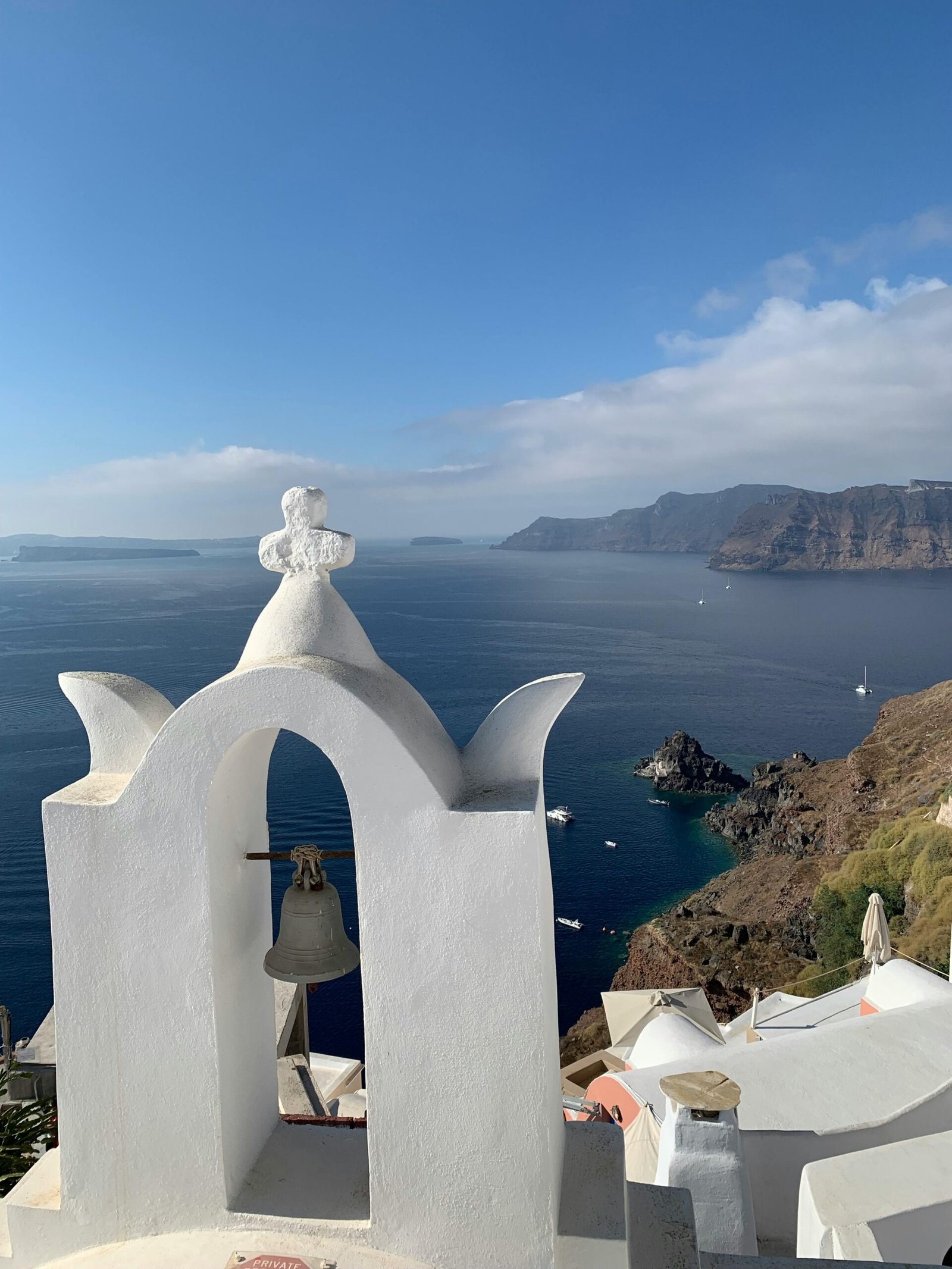
Why Most First-Timers to Santorini Leave Slightly Disappointed usually starts with a simple mistake: people confuse a famous image with a workable travel experience. They arrive expecting a clean, effortless version of the island they have seen online, then feel thrown off when the real Santorini is crowded, expensive, and more demanding than they planned for.
This is not about the island failing to live up to its reputation. It is about travelers bringing the wrong emotional script. Santorini can still be worth visiting, but only if you understand what is driving the disappointment before you book.
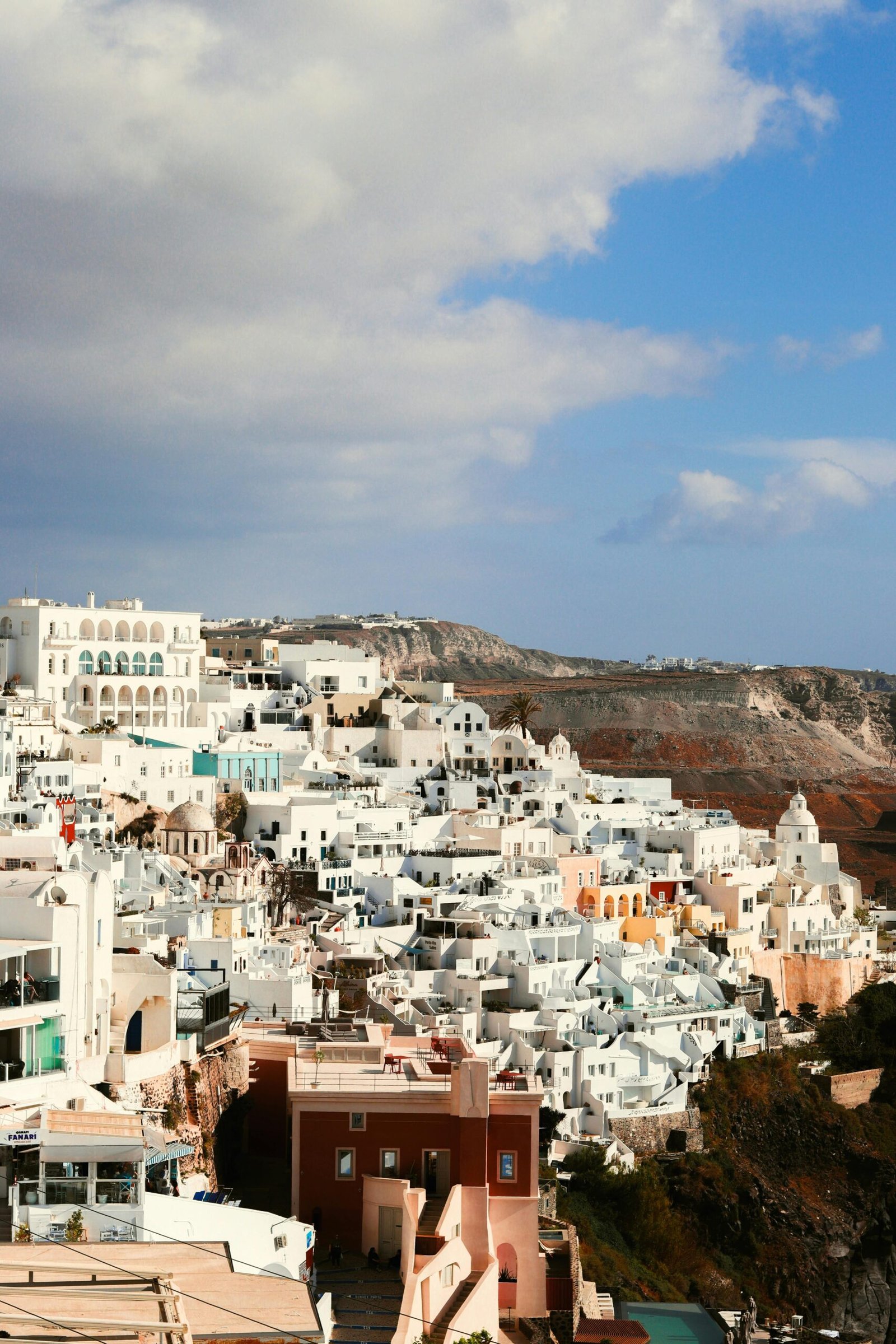
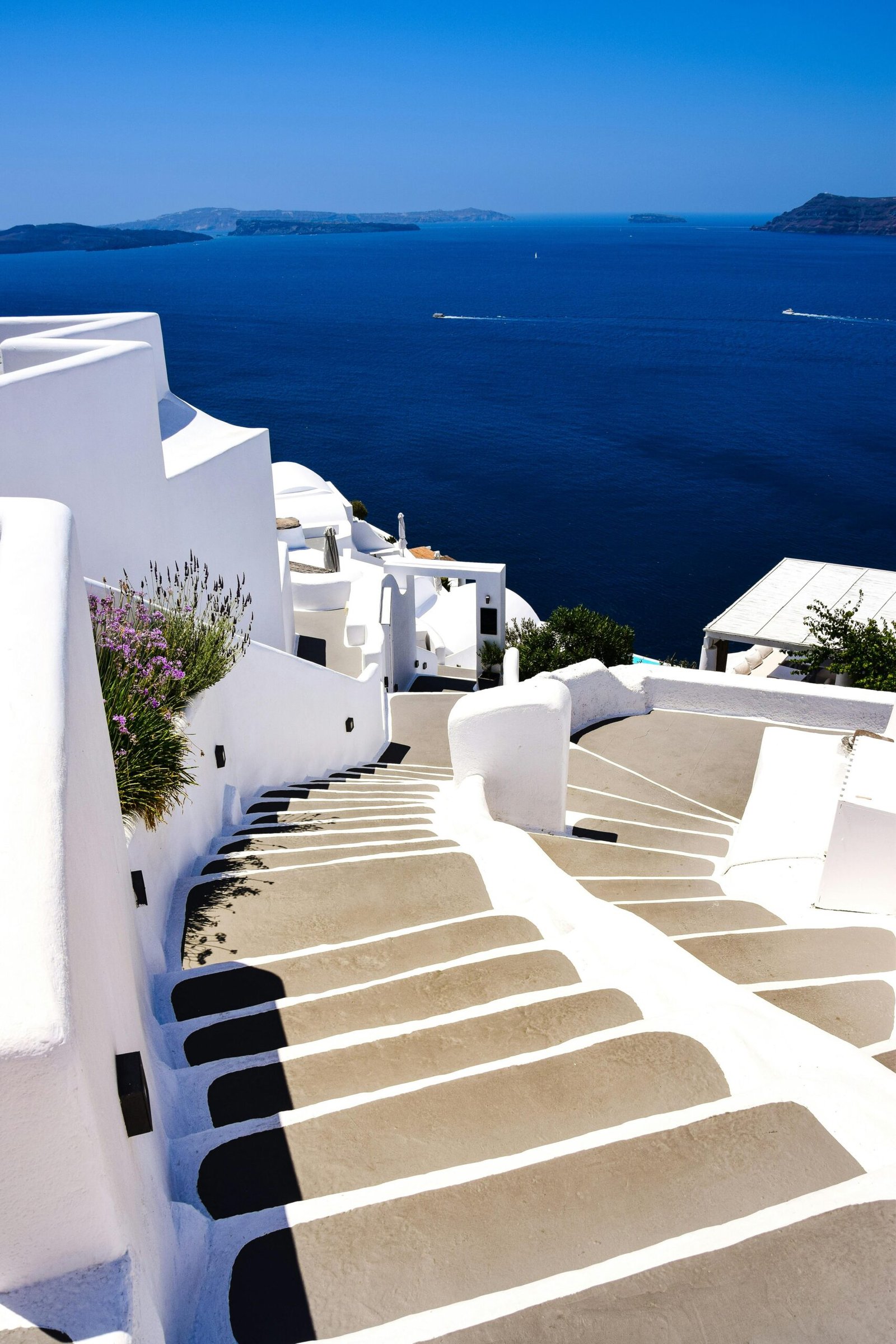
Why Most First-Timers to Santorini Leave Slightly Disappointed
The core pattern is projection. First-timers do not just want a holiday in Santorini; they want the island to confirm an idea they already have about Greece, romance, and a “special” trip. That is a heavy job for any destination, and Santorini is especially bad at carrying that expectation in peak season.
Why Most First-Timers to Santorini Leave Slightly Disappointed is not a mystery to people who work in Greece every day. The island is famous enough that many travelers stop evaluating it as a place and start treating it like a proof point for a fantasy. Once that happens, every practical friction feels like a betrayal instead of a normal part of travel.
The assumption behind Why Most First-Timers to Santorini Leave Slightly Disappointed
The assumption is that a famous place should feel easy. Travelers often believe a high-profile island will be polished, intuitive, and emotionally generous the moment they arrive. Santorini is none of those things in peak season, at least not automatically.
What people underestimate is how much stress they are willing to tolerate for a view they recognize from social media. They are not choosing Santorini only for the destination itself. They are choosing the feeling of having been there, and that is a very different purchase.
This is why disappointment tends to be quiet rather than dramatic. Most people do not say the island is bad. They say it was “not what I expected,” which is usually code for “I built too much of the experience in my head before I arrived.”
What travelers expect versus what they actually get
Expectations are usually built around simplicity: easy beauty, smooth movement, and a sense that everything will feel curated for them. In reality, peak-season Santorini often feels compressed. Popular areas are crowded, prices are high, and the island’s most photographed spaces can feel more like performance venues than relaxed holiday settings.
That gap matters because people do not just notice inconvenience; they assign meaning to it. A long wait, a crowded terrace, or a room that feels overpriced suddenly becomes proof that the trip was overhyped. That is the emotional trap behind Why Most First-Timers to Santorini Leave Slightly Disappointed.
Here is the counterintuitive part: the disappointment is often stronger for travelers who care most about the island. The more they have invested in the idea of Santorini, the less room they have left for the actual place. That is why the same crowding that one traveler shrugs off can feel deeply deflating to another.
The moment the disappointment usually hits
The letdown usually arrives when the traveler realizes the island is not operating at the emotional pace they imagined. It is often not one big failure. It is the accumulation of small frictions that make the experience feel less special than the price tag suggested.
The moment can be subtle: a sunset area that feels overmanaged, a view that is shared with too many people, or a meal that costs far more than the experience justifies. At that point, the traveler is no longer comparing Santorini to Greece. They are comparing it to a fantasy they never checked against reality.
That is where Why Most First-Timers to Santorini Leave Slightly Disappointed becomes a planning issue, not just an emotional one. If the island is treated as the centerpiece of a once-in-a-lifetime trip, any operational friction lands harder. The same visit feels very different when Santorini is one part of a broader Greece itinerary rather than the entire emotional anchor.
Who is most prone to this pattern
Travelers most likely to feel let down usually fall into a few categories. The first is the image-led planner, who has seen Santorini so often online that they think they already know it. The second is the romance-first traveler, who expects the island to deliver mood on demand.
The third is the first-time Greece visitor who assumes the country will feel uniformly polished in the same way some resort destinations do. That assumption is costly. Greece is not designed that way, and Santorini is one of the places where the mismatch becomes obvious fast.
- Image-led travelers who want the island to match a saved feed
- Couples expecting a seamless romantic atmosphere at all hours
- First-timers who assume peak season will still feel calm and spacious
- Travelers who build the whole trip around one famous destination
These travelers are not wrong to want beauty or comfort. They are wrong to assume Santorini will deliver those things without effort, timing, and a realistic frame. That is the difference between a satisfying trip and a mildly disappointing one.
Why peak season makes the psychology worse
Peak season amplifies everything travelers already brought with them. If someone is already anxious about crowds, the island confirms that anxiety. If someone is chasing a perfect version of Greece, peak season gives them more competition for space, attention, and calm than they expected.
This is also where price becomes psychological, not just financial. When a traveler pays more, they expect an elevated emotional return. If the island feels busy, tight, or transactional, the price makes the disappointment sharper.
That is why Santorini can still satisfy experienced travelers and frustrate first-timers in the same week. The difference is usually not the island itself. It is the gap between what each person thought they were buying and what they actually got.
For travelers trying to understand the broader Greek context, official sources like
Visit Greece are useful for basic orientation, but they will not tell you whether your expectations are realistic. That judgment has to come from honest reading of the destination, not just admiration of it.
How to approach Santorini differently
The better approach is to stop asking Santorini to carry the emotional weight of the whole trip. Treat it as a place with strengths and limitations, not as a guarantee of perfection. That shift alone prevents a lot of disappointment.
Greece rewards travelers who arrive with a plan, but the real point is not control. It is calibration. If you know Santorini is busiest, most expensive, and most image-driven in peak season, you can decide whether that trade-off is worth it before you arrive.
That is the reframe: do not ask whether Santorini is worth visiting in the abstract. Ask whether the version of Santorini you are imagining is the one the island actually delivers in the season you chose. If the answer is no, the problem is not Santorini. It is the expectation.
For travelers who want the cultural context behind Greece beyond the postcard version, the Hellenic Ministry of Culture is a useful reference point. It will not solve the disappointment problem, but it will remind you that Greece is a real country with real pressures, not a set piece built to satisfy every visitor.
Conclusion
Santorini is not overrated in the way disappointed first-timers usually mean. It is overimagined. That is a different problem, and it is why smart travelers do better here than hopeful ones.
Why Most First-Timers to Santorini Leave Slightly Disappointed is ultimately a lesson in expectation management, not destination quality. If you understand the emotional trap before you book, you can decide whether the island fits your version of Greece instead of forcing it to fit yours.
Greece doesn’t punish inexperience. It punishes unexamined assumptions. The travelers who leave disappointed rarely lacked information — they lacked a framework for using it.
Frequently asked questions
Why do first-time visitors expect Santorini to feel more relaxed than it does?
Because the island is marketed through polished visuals, not through the reality of peak-season crowding, pricing, and pressure. Many first-timers assume fame equals ease, which is usually the wrong assumption.
Is Santorini disappointing for everyone?
No. It disappoints travelers who expect calm, space, and effortless romance without friction. People who understand the trade-offs often enjoy it more because they are not fighting the island’s reality.
What is the biggest mistake first-timers make in Santorini?
They make Santorini the emotional center of the whole trip. When one destination has to deliver the entire fantasy, any inconvenience feels much bigger than it should.
Why does peak season make Santorini feel worse?
Peak season compresses the island’s most famous areas and raises expectations at the same time. The result is more crowding, more price sensitivity, and less room for the experience to feel personal.
Who is most likely to leave Santorini disappointed?
Image-led travelers, couples expecting a constant romantic atmosphere, and first-time Greece visitors who assume the island will feel polished and easy. These travelers usually bring the strongest expectations and the least tolerance for friction.
How should I think about Santorini if I still want to visit?
Think of it as a high-demand destination with real trade-offs, not as a guaranteed dream setting. If you accept that upfront, you are much less likely to feel let down.