

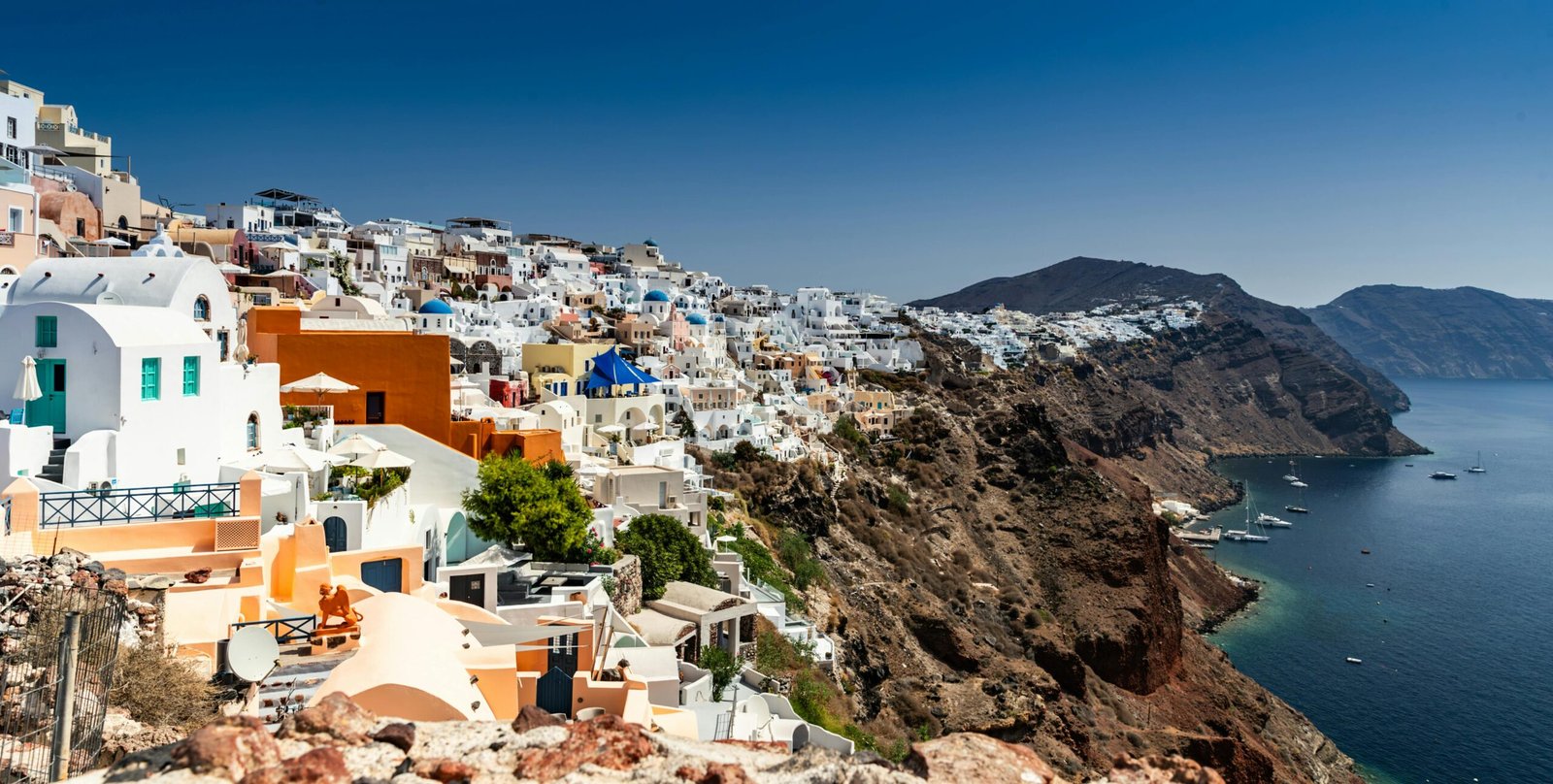
Why Most First-Timers to Santorini Leave Slightly Disappointed usually comes down to one thing: they arrive with a preloaded image and then measure the island against it. That image is usually built from social media, honeymoon marketing, and a very specific idea of what a Greek island should feel like.
The problem is not that Santorini is overrated in any simple sense. The problem is that many first-time visitors want a private emotional experience in a place that, in peak season, often functions like a high-demand viewing platform with rooms attached.
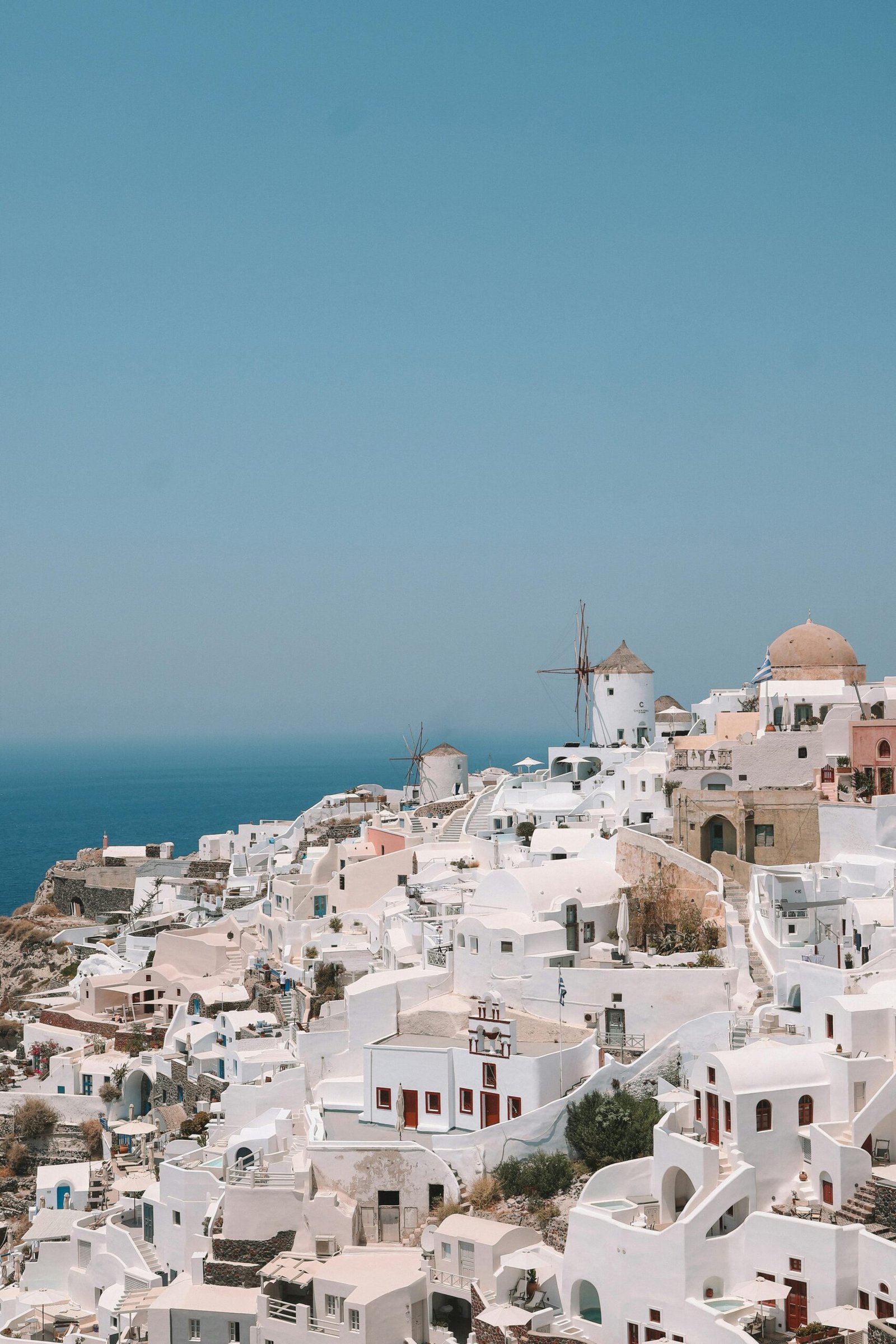
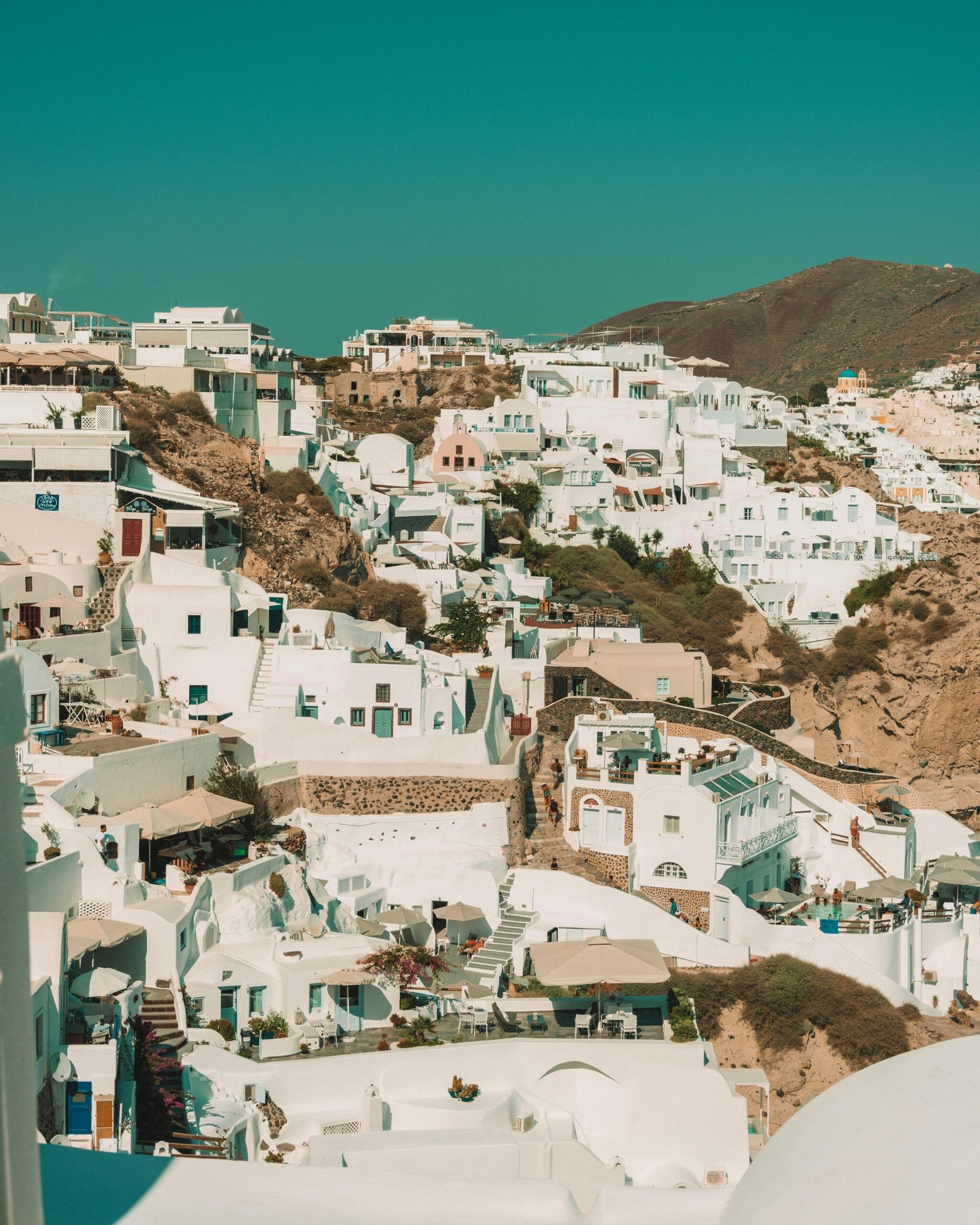
Why Most First-Timers to Santorini Leave Slightly Disappointed
Why Most First-Timers to Santorini Leave Slightly Disappointed is not a mystery to anyone who has watched the island absorb peak-season demand year after year. The issue is rarely the island itself. It is the mismatch between what travelers think they are buying and what Santorini actually delivers when it is full.
Most first-timers are not looking for a place. They are looking for confirmation. They want Santorini to validate the version of Greece they already imagined, and when the island behaves like a busy, expensive, highly managed destination, that emotional contract breaks.
The psychology behind Why Most First-Timers to Santorini Leave Slightly Disappointed
The decision usually starts with aspiration, not research. Santorini is chosen because it feels safe in the imagination: iconic views, white buildings, blue domes, dramatic sunsets, easy status. That is a powerful mix, and it makes people feel they are choosing well before they have checked what the experience is actually like on the ground.
There is also a social pressure component. People do not just want to visit Santorini; they want to be seen having chosen Santorini. That matters more than most travelers admit, and it is why many ignore quieter, better-fitting islands that would suit them far more. The emotional cost shows up later, when the trip feels performative instead of restorative.
What travelers expect versus what they actually get
Expectations are usually built around privacy, softness, and a sense of ease. The reality in peak season is crowds, queues, noise, and a constant feeling that you are sharing every famous viewpoint with hundreds of other people who had the same idea at the same time.
Many first-timers also expect the island to feel intimate throughout the day. It often does not. Santorini can feel polished, expensive, and surprisingly transactional, especially in the most photographed areas. The island is beautiful in a very specific visual sense, but beauty is not the same thing as comfort.
The most counterintuitive part is this: the disappointment often has nothing to do with the view. The view is real. What disappoints people is the emotional atmosphere around it. They expected a romantic escape and instead found themselves managing crowds, reservations, and the feeling that every good angle has already been claimed.
The exact moment the disappointment usually hits
It usually hits when the traveler realizes the famous moment is not private. That can happen at sunset, when the crowd density is high enough to make the experience feel organized around consumption rather than enjoyment. It can also happen when a couple is paying premium rates and still feels boxed in by noise, timing pressure, and a lack of breathing room.
For many, the real letdown arrives after the first emotional high fades. They have seen the view, taken the photo, and then ask themselves, “Is this it?” That question is the signal that the expectation was built around a single image instead of an actual travel experience.
Why Most First-Timers to Santorini Leave Slightly Disappointed is often less about the island and more about the moment the fantasy stops carrying the trip. Once that happens, everything feels a little more expensive and a little less special than promised.
Who is most prone to this pattern
Couples on a milestone trip are especially vulnerable. They often want Santorini to do emotional work for them: romance, memory-making, proof that the trip matters. That is a lot to ask from a destination that is heavily visited and commercially intense in peak season.
First-time Greece travelers are another high-risk group, especially if Santorini is their only island stop. They assume the island represents Greek island life in general, when in fact it is one of the least representative places in the country. For a broader sense of the country’s cultural range, many travelers do better starting with a resource like
Visit Greece before locking in assumptions.
There is also a specific type of traveler who gets burned here: the one who wants luxury but not friction. Santorini does luxury very well in parts, but it does not remove the realities of density, timing, and seasonal pressure. If you dislike being nudged, scheduled, or surrounded by other people’s itineraries, this island will test you fast.
The wrong assumption that creates the biggest problem
The biggest mistake is assuming Santorini will feel like a destination that unfolds naturally. It does not, especially in peak season. It needs to be handled with realism, or it will handle you.
That is why the sequence matters so much. If Santorini is treated as the emotional centerpiece of the trip, every small inconvenience feels amplified. If it is treated as one part of a broader Greek journey, the pressure drops and the island becomes easier to enjoy for what it is rather than what it was supposed to be.
Why Most First-Timers to Santorini Leave Slightly Disappointed is, in practice, a sequencing problem as much as a destination problem. Travelers who place too much emotional weight on one stop are usually the ones most frustrated when that stop behaves like a very popular place in high season.
A clear position: Santorini is not the best first Greece island for many travelers
I will be direct: for many first-time visitors, Santorini is a poor first island if the goal is to understand Greece rather than collect a famous view. It is too shaped by demand, too expensive for what it gives in peak months, and too easy to misunderstand from afar.
This is not an argument against visiting. It is an argument against making it the emotional center of the trip before you understand what kind of traveler you are. Greece has many islands that offer more space, less pressure, and a more balanced introduction to island life.
For travelers who care about history and context as much as scenery, it also helps to remember that Greece is bigger than its postcard image. Even in Athens, a place like the Acropolis Museum can reset expectations by showing how much depth is missed when a trip is built around one visual symbol.
How to approach Santorini differently
The better approach is not to lower your standards. It is to stop asking Santorini to be something it is not. If you want a place that feels polished, visually dramatic, and easy to recognize instantly, Santorini can still work well. If you want calm, authenticity, or a sense of discovery, you need a different island and probably a different season.
Travelers who enjoy Santorini most are usually the ones who accept its limitations early. They do not expect it to be an untouched retreat. They understand that peak season changes the texture of the island, and they plan around that reality instead of fighting it.
Greece rewards travelers who arrive with a plan, but only when that plan is honest about mood, pace, and tolerance for crowds. That is the real lesson behind Why Most First-Timers to Santorini Leave Slightly Disappointed: the trip gets better when you choose the island for what it is, not for the fantasy you brought with you.
Conclusion
If Santorini is still on your list, the smart move is to decide what role you want it to play. Viewpoint, yes. Romantic backdrop, maybe. Entire emotional center of a first Greece trip, usually not. The more clearly you name your real travel style, the less likely you are to feel let down by a place that was never designed to meet every expectation at once.
Recognizing the pattern is the first step. The second is building a trip around how you actually travel — not the traveler you imagine yourself to be. Most great Greece experiences start with that honesty.
Frequently asked questions
Why do first-time visitors expect so much from Santorini?
Because Santorini is marketed as a shorthand for Greek island romance. People arrive already attached to a visual image, so they expect the island to deliver an emotional experience that matches the photo, not just the landscape.
What is the main reason people feel disappointed in peak season?
Crowding changes the mood of the island. The famous views are still there, but the sense of privacy and ease disappears, and that is often what travelers thought they were paying for.
Is Santorini still worth visiting for a first trip to Greece?
Yes, if you understand what it is: a highly visited, visually dramatic island with strong appeal for certain travelers. No, if you want your first Greece experience to feel broad, relaxed, or representative of the country as a whole.
Which traveler types are most likely to be underwhelmed?
Couples expecting a deeply private romantic escape, first-timers who want a classic Greek island experience, and travelers who dislike crowds, scheduling pressure, or premium prices for limited space.
What assumption causes the biggest planning mistake?
Assuming Santorini will feel naturally easy and intimate. In peak season, that assumption leads to disappointment because the island is busy, managed, and often more performative than people expect.
How can travelers avoid feeling let down?
By treating Santorini as one part of a larger Greece trip, not the whole emotional point of it. The more realistic the expectation, the less likely the island is to feel overpriced or overhyped.
Should first-timers choose another island instead?
Often, yes. If the goal is a better first introduction to Greece, many travelers are happier starting with an island that offers more space, less pressure, and a more balanced pace.