

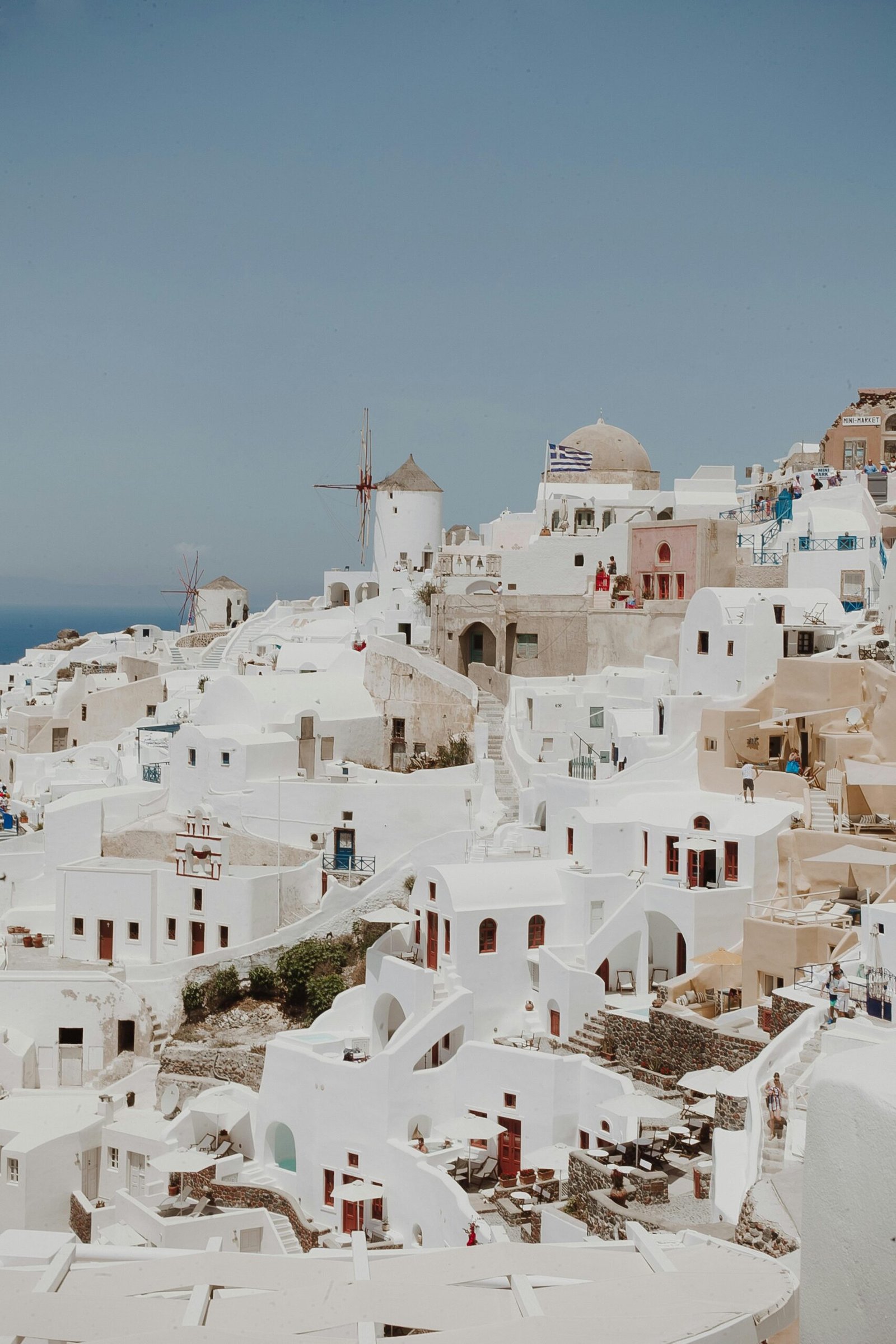
Why Most First-Timers to Santorini Leave Slightly Disappointed usually starts with a very specific assumption: that a famous place will deliver the same feeling in real life that it delivers in photos. Santorini is one of the clearest examples of expectation inflation in Greece, and peak season makes the gap wider, not smaller.
People do not arrive because they are careless. They arrive because they have been sold a clean, polished image of the island and then try to force a normal holiday into that image. The problem is not Santorini itself; it is the emotional script travelers bring with them.
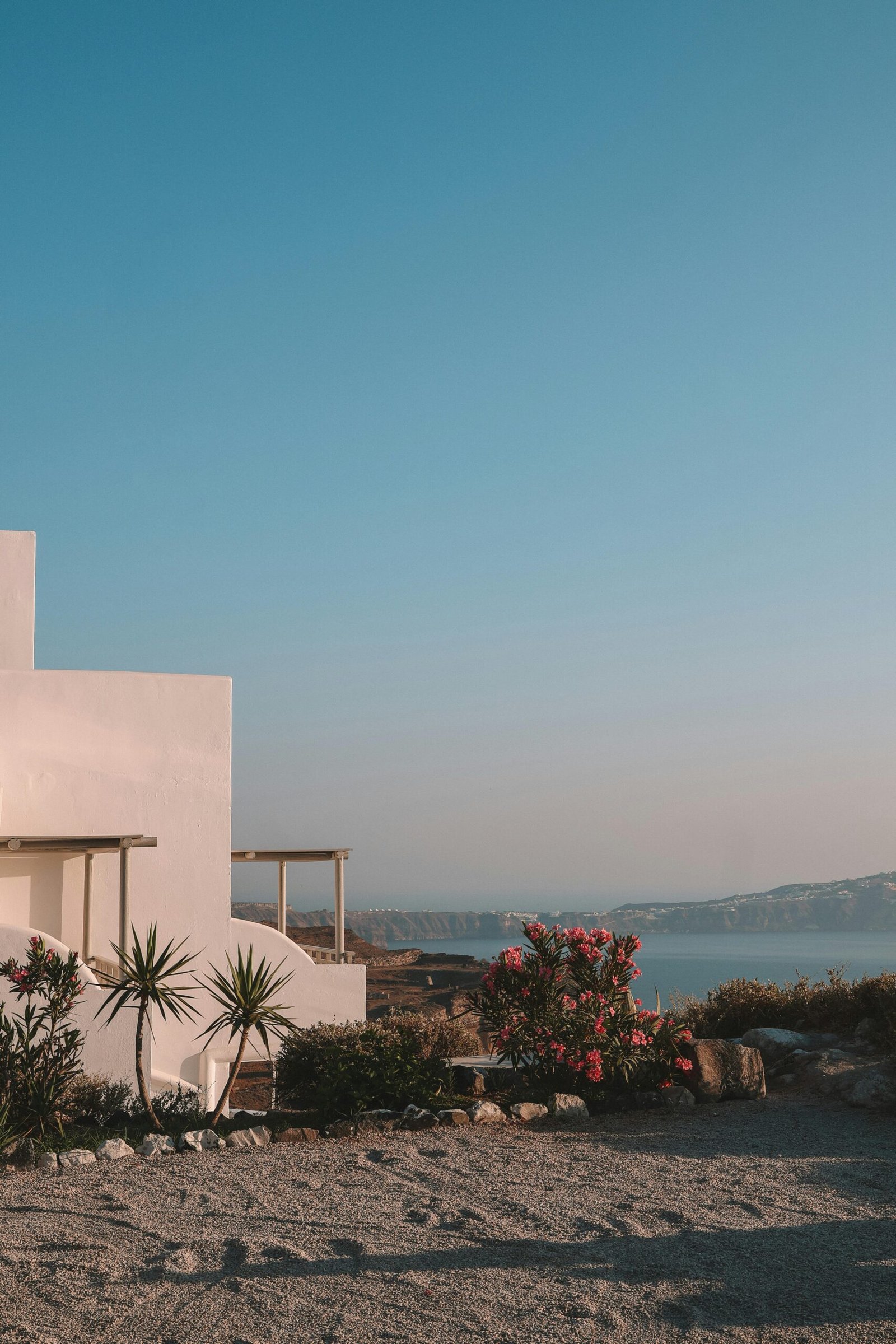
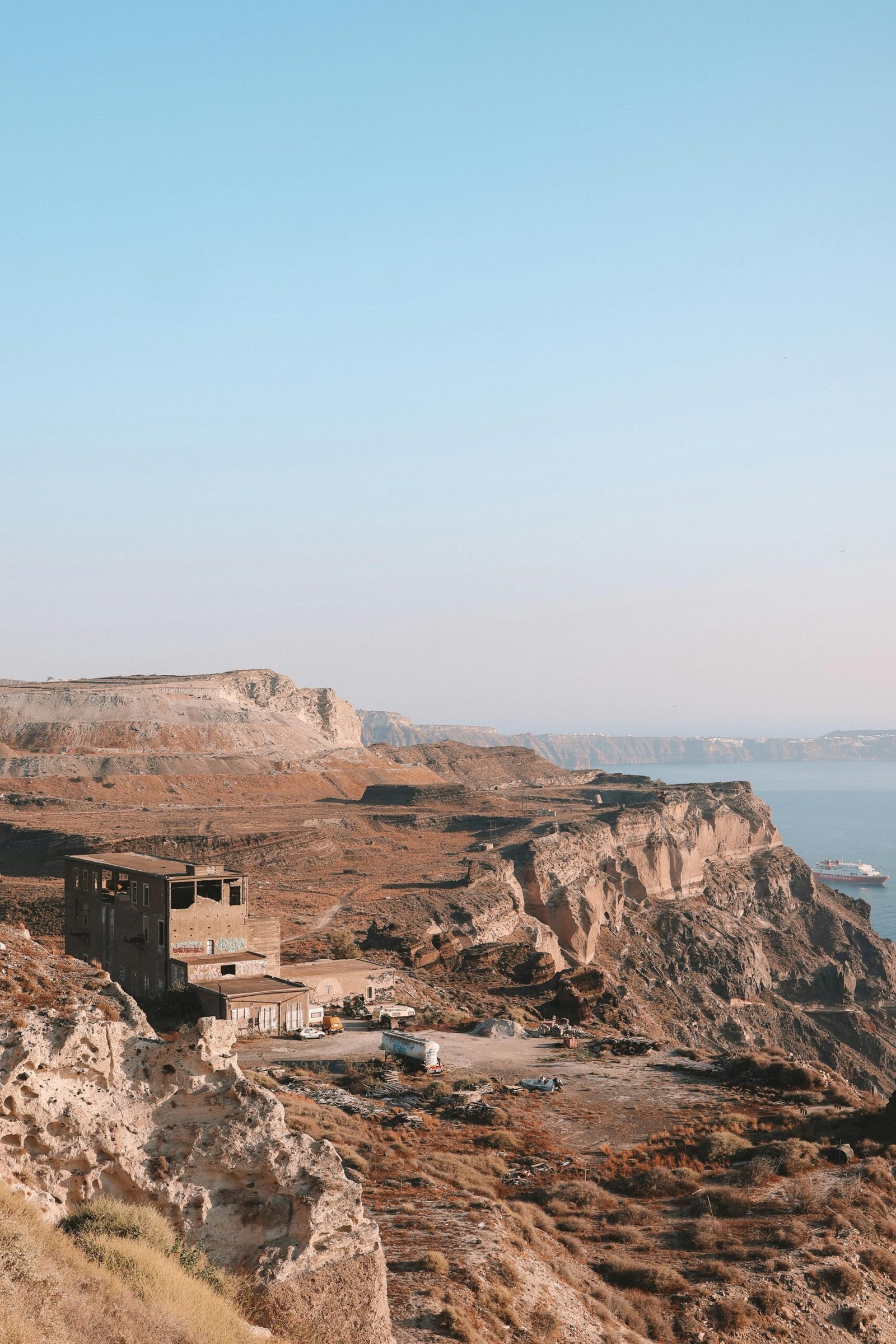
Why Most First-Timers to Santorini Leave Slightly Disappointed
The image is doing more work than the destination
Why Most First-Timers to Santorini Leave Slightly Disappointed is not mainly about the island failing people. It is about people arriving with a finished story in their head: white walls, blue domes, private terraces, and a sense of effortless romance. That story is powerful because it is simple, and simple stories are easier to sell than the reality of a place that is crowded, vertical, expensive, and heavily seasonal.
The emotional trap is obvious once you see it. Travelers are not buying a hotel or a view; they are buying confirmation that the version of Santorini they already imagined is real. When the island is busy, hot, and full of other people trying to have the same experience, that confirmation rarely lands cleanly.
Why Most First-Timers to Santorini Leave Slightly Disappointed in peak season
Peak season is where the mismatch becomes visible. The island is still beautiful in the basic sense, but beauty is not the same as ease, and first-timers often confuse the two. They expect the setting to carry the mood for them, then discover that crowding, heat, and premium pricing make even simple decisions feel more deliberate than they wanted.
This is where disappointment usually starts: not at the airport, not at check-in, but at the first moment they realize the island is being experienced by everyone else at the same time. The view is still there, but the emotional privacy they expected is not.
The real reason people choose Santorini
People choose Santorini because they want a trip that feels legible. It is one of the few Greek destinations that comes pre-loaded with a clear identity, and that matters more than travelers admit. For many first-timers, the appeal is not just the scenery; it is the reassurance that they are choosing correctly.
That reassurance is especially tempting for couples, honeymooners, and travelers planning a once-in-a-lifetime trip. They want low ambiguity and high payoff. Santorini looks like a safe answer, which is exactly why so many people overlook whether it is the right answer for their actual travel style.
The moment disappointment usually hits
The letdown rarely arrives in a dramatic way. It usually shows up when the traveler realizes the island requires more effort than expected for less emotional return than imagined. A long wait for a table, a crowded viewpoint, or a room that looks better in photos than in person can be enough to puncture the mood.
Here is the counterintuitive part: the disappointment is often strongest among people who got the “best” version of Santorini on paper. They paid more, booked earlier, and stayed in the area they were told was ideal. That makes the gap feel personal, as if they did everything right and still did not get the feeling they were promised.
The traveler types most prone to this pattern
Some travelers are simply more vulnerable to this mismatch than others. The common thread is not inexperience alone; it is a tendency to treat travel as a proof of taste, success, or discernment. Santorini is especially harsh on that mindset because it is heavily branded and highly visible.
- First-time Greece visitors who want the “best” island and equate famous with correct.
- Couples planning a milestone trip and expecting the island to create the mood for them.
- Travelers who are more photo-driven than place-driven and judge a destination by its visual consistency.
- People who dislike friction but still choose a destination known for high demand and limited softness in peak months.
If you recognize yourself here, that is useful. The issue is not that you have bad taste; it is that you may be asking Santorini to do a job it was never built to do.
What first-timers consistently underestimate
They underestimate how much of Santorini is performance pressure. Once a place becomes globally recognizable, travelers stop behaving like guests and start behaving like editors, constantly scanning for the version they already saw online. That creates a strange tension: people want authenticity, but they keep rewarding the most polished surfaces.
They also underestimate how much peak season changes the emotional tone of the island. In a quieter month, Santorini can feel more coherent. In peak season, it can feel like a premium product under stress, which is not the same thing as a relaxing holiday. For an official overview of Greek destinations and seasonal planning context,
Visit Greece is a useful starting point, but it will not tell you what the crowd level feels like when you are standing in it.
A clear position: Santorini is often the wrong first island for certain travelers
My position is straightforward: if you are hoping for your first Greek island to feel easy, varied, and emotionally generous, Santorini is often the wrong first choice. It is too expensive to be casual, too famous to feel intimate in peak season, and too image-heavy to forgive unrealistic expectations. That does not make it a bad destination; it makes it a specialized one.
This is where Why Most First-Timers to Santorini Leave Slightly Disappointed becomes more than a slogan. The disappointment comes from treating a highly curated island like a broad, flexible introduction to Greece. Greece rewards travelers who arrive with a plan, but Santorini especially rewards travelers who know what kind of trip they are actually trying to have.
What a better approach looks like
The better approach is not lower standards. It is cleaner expectations. If you want Santorini, choose it for what it is: a high-demand, visually dominant island that works best when the trip is built around its limits instead of against them.
That means accepting that the island is strongest for short, intentional stays, not for people who want endless spontaneity. It also means understanding that the emotional high point may come from a controlled moment rather than a constant feeling. If you want the cultural context behind Greece’s most visited places, the Hellenic Ministry of Culture is a better reference point than social media, because it reminds you that these places exist inside a real country, not just an image economy.
Conclusion
The travelers who leave Santorini disappointed are rarely wrong about the island’s beauty. They are wrong about what beauty can do for a trip when the season is busy and the expectations are already inflated. If you start by asking what kind of experience you need, not what kind of photo you want, Santorini becomes easier to evaluate honestly.
Greece doesn’t punish inexperience. It punishes unexamined assumptions. The travelers who leave disappointed rarely lacked information — they lacked a framework for using it.
Frequently asked questions
Why do so many first-timers feel underwhelmed by Santorini?
Because they arrive expecting a constant emotional payoff from a place that is heavily visited, highly curated, and expensive in peak season. The island often looks like the version people imagined, but the lived experience is less smooth than the image suggests.
Is Santorini actually disappointing, or are expectations the problem?
Mostly expectations. Santorini is a strong destination for the right traveler, but it disappoints people who expect it to function like a relaxed, all-purpose island holiday.
What is the biggest mistake first-time visitors make?
They treat Santorini as a default choice instead of a specialized one. That leads to poor fit: wrong timing, wrong pace, and the wrong emotional goal for the trip.
Why does peak season make Santorini feel more disappointing?
Peak season compresses everything: more people, more pressure, more noise, more competition for views and tables. The island’s image stays the same, but the experience becomes less private and less forgiving.
Who is most likely to love Santorini?
Travelers who want a visually strong, high-control, high-profile trip and are comfortable paying for that experience. It suits people who value atmosphere over variety and do not mind planning around crowds.
How should I think about Santorini differently before booking?
Treat it as a destination with limits, not as a universal Greek island experience. Ask whether you want a place that looks iconic or a place that feels easy, because those are not the same thing.