

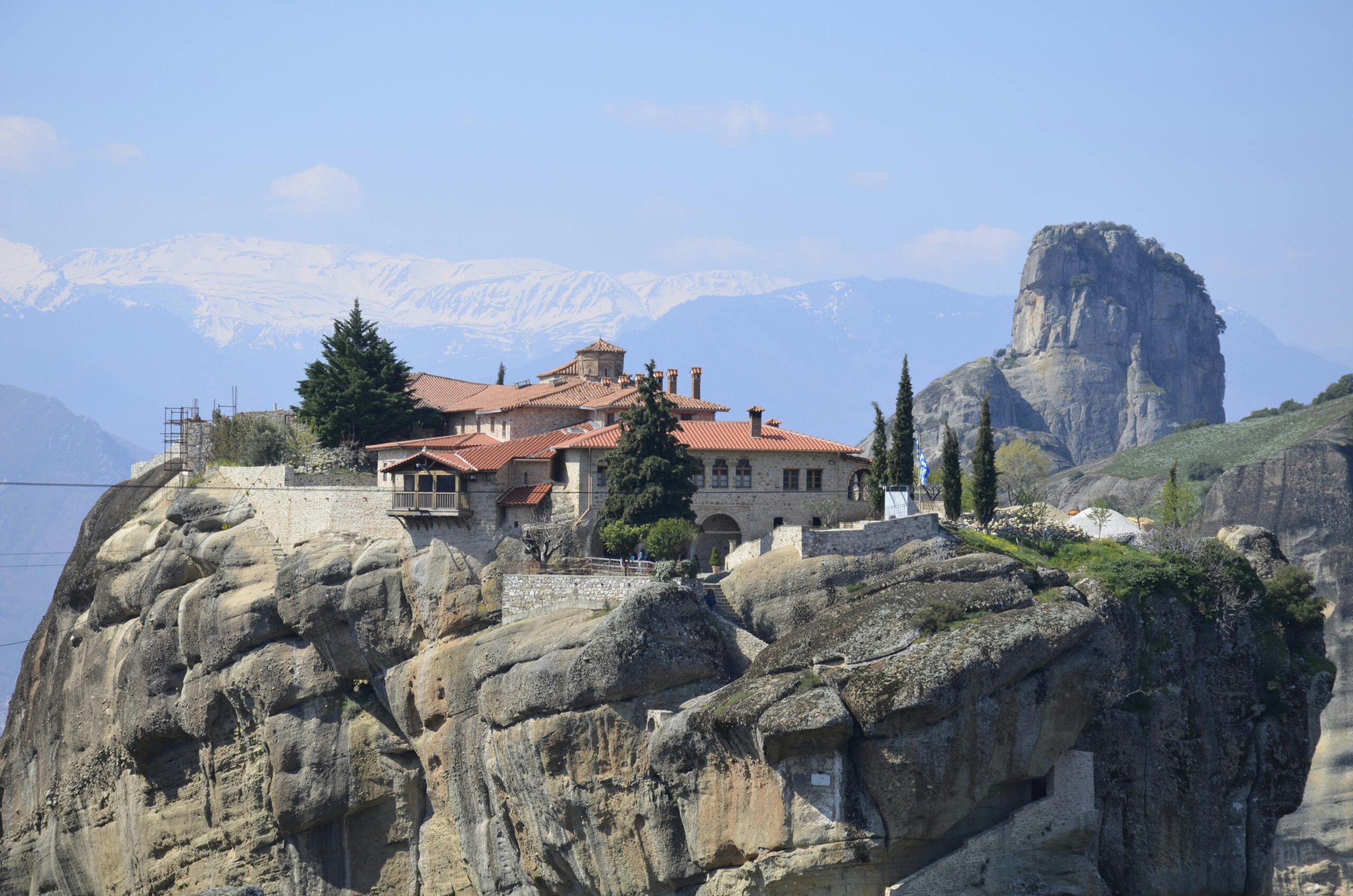
Why Planning a Trip to Meteora Without a Local Expert Is a Gamble is not just travel advice—it’s a reality grounded in experience. The region’s unique blend of spiritual heritage, geological marvels, and logistical quirks demands more than a cursory online search. Without nuanced understanding, travelers frequently miss the depth and rhythm that give Meteora its true character.
Why Planning a Trip to Meteora Without a Local Expert Is a Gamble
The Complex Logistics Behind Meteora’s Accessibility
Meteora’s monasteries perch atop towering rock pillars that defy simple travel planning. Many visitors underestimate the physical demands and timing required to access the key sites such as the Great Meteoron Monastery and Varlaam Monastery. Without a local expert, you risk arriving at closed monasteries or facing overcrowded paths during peak hours. This can turn a spiritual journey into a frustrating scramble.
Understanding the Spiritual Essence Beyond the Surface
Those who approach Meteora solely as a sightseeing destination miss the profound atmosphere that lingers within monasteries like Rousanou and St. Stephen’s. This is not just about architecture or views; it’s a living tradition. Without guidance, the subtle cues of respect, appropriate behavior, and the quiet moments of contemplation are often lost, diluting what the place truly offers.
Why Planning a Trip to Meteora Without a Local Expert Is a Gamble: The Timing Factor
Many travelers fail to grasp the importance of timing when visiting Meteora. The peak season from late spring to early autumn brings crowds that can overwhelm the narrow trails and sacred sites. Conversely, winter visits offer solitude but come with weather challenges and limited monastery access. A local expert knows how to balance these trade-offs to match your expectations without sacrificing the experience.
The Emotional Reality: Awe Mixed With Physical Demand
Visitors often arrive expecting effortless awe but encounter steep climbs, uneven terrain, and long walks between monasteries. The emotional impact of Meteora’s grandeur is inseparable from these exertions. This juxtaposition can unsettle travelers who underestimate the physical aspect, making expert planning crucial to pacing your visit and avoiding burnout.
Trade-Offs: What You Gain and What You Give Up
Choosing to explore Meteora independently means gaining flexibility but often sacrificing depth and smoothness of experience. Attempting to cover all six main monasteries—Great Meteoron, Varlaam, Rousanou, St. Stephen’s, Holy Trinity, and St. Nicholas Anapausas—in a single day is a common mistake. You gain quantity but lose the contemplative quality that makes Meteora meaningful.
Who This Suits: Matching Meteora With Your Travel Style
Meteora rewards travelers who value spiritual heritage, natural scenery, and cultural depth over convenience and speed. It is ideal for those prepared for physical activity and who appreciate local nuances. It is less suited to travelers seeking a purely relaxed or luxury resort-style experience. For those interested in broader cultural context, resources like the Greek Ministry of Culture provide valuable background, enriching the visit.
Surprising Reality: Meteora Is Not Just a Day Trip
Contrary to popular belief, Meteora cannot be squeezed into a rushed day trip without significant loss. The emotional weight and logistical demands require at least two nights in the area to absorb the environment fully. This counterintuitive fact often catches first-time visitors off guard, turning a potentially transformative experience into a checklist race.
For travelers interested in broader explorations of Greek history and artifacts, pairing Meteora with a visit to the Acropolis Museum offers a complementary perspective on Greece’s spiritual and cultural evolution.
Conclusion
Greece rewards travelers who arrive with a plan built around how they actually travel — not a generic template. Meteora’s intricate mix of spiritual depth, physical demands, and timing nuances means that the difference between a frustrating trip and a remarkable one often comes down to local knowledge and thoughtful sequencing. Expert planning helps navigate these trade-offs, ensuring your visit respects both the place and your own pace.
Recommended experiences
Some experiences mentioned here are curated and managed by Elite Greece Travels.
- Greece 7 Day Itinerary Athens Delphi Meteora Santorini — Itinerary (managed by Elite Greece Travels).
- Athens Meteora Olympia Delphi Itinerary 7 Days — Itinerary (managed by Elite Greece Travels).
- Athens Meteora Santorini Itinerary 7 Days — Itinerary (managed by Elite Greece Travels).
Frequently asked questions
Is it possible to visit all Meteora monasteries in one day?
Attempting to visit all six main monasteries in a single day is a common mistake that leads to rushed visits and fatigue. It’s better to spread your visit over two or more days to appreciate the spiritual atmosphere and physical demands.
When is the best time to visit Meteora?
Late spring and early autumn offer the best balance of weather and accessibility. Summer can be crowded, while winter may limit access to some monasteries and present challenging weather.
Do I need special attire to visit Meteora’s monasteries?
Yes, modest dress is required to enter monasteries. This includes covering shoulders and knees, which visitors often overlook without local advice.
Is Meteora suitable for travelers with limited mobility?
Many monastery sites involve steep climbs and uneven paths, which can be difficult for travelers with mobility issues. Knowing which sites are more accessible requires expert insight.
Can I visit Meteora as a day trip from Thessaloniki or Athens?
While day trips are possible, they provide a superficial experience. The emotional and spiritual essence of Meteora is best absorbed over multiple days.
What is the emotional experience of visiting Meteora like?
Meteora offers a profound sense of awe mixed with physical exertion. The silence and grandeur evoke contemplation, but visitors must be prepared for the effort involved.
Are there cultural resources to enhance my understanding of Meteora?
Yes, institutions like the Greek Ministry of Culture provide valuable context that enriches the visit, allowing travelers to grasp the historical and spiritual significance more deeply.