

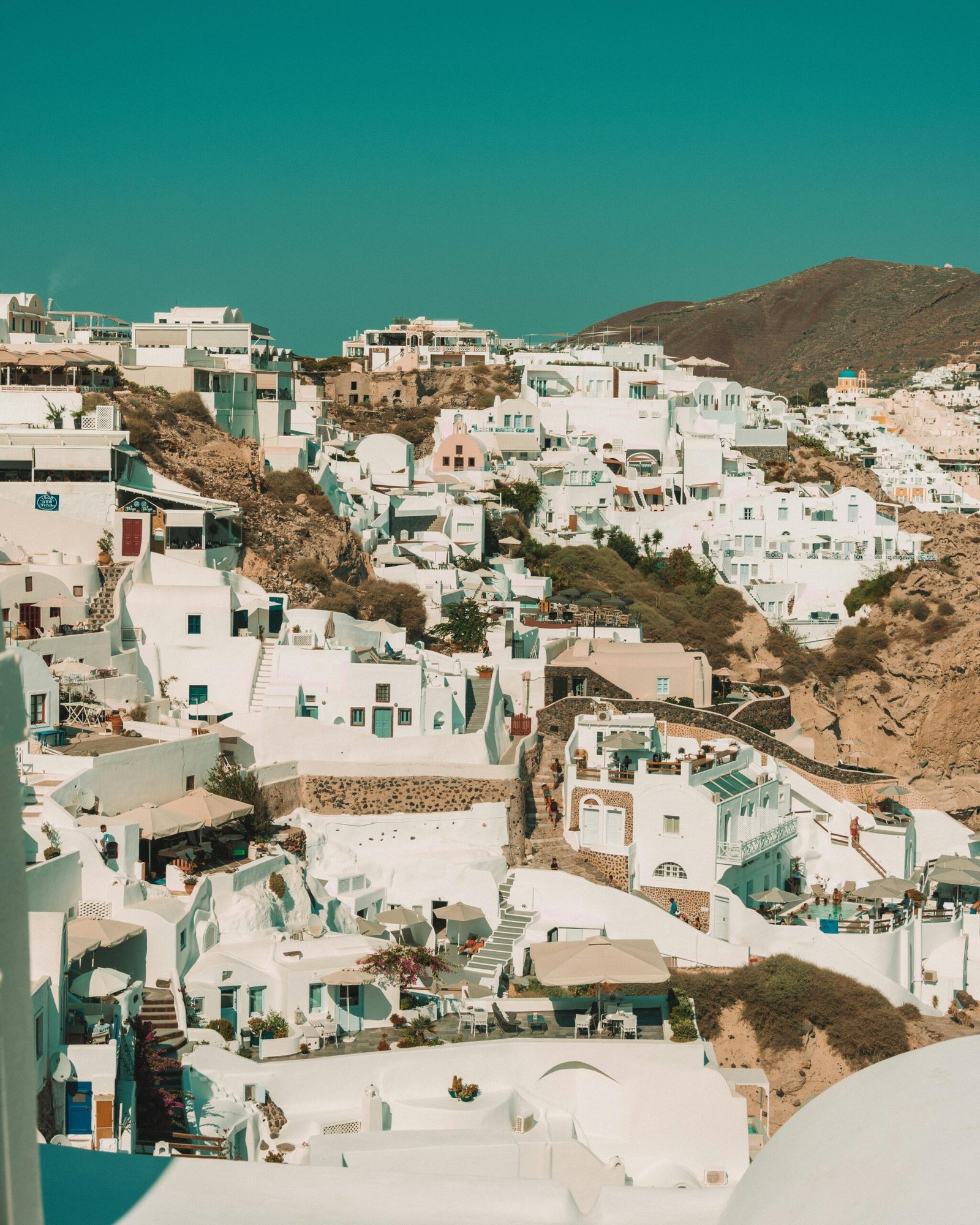
Why Santorini Is Harder to Do Well Than People Admit because the island punishes vague planning, late decisions, and the assumption that a famous place will organize itself. If you arrive expecting an easy, relaxed island break, you can end up with long waits, crowded viewpoints, and a trip that feels more managed than enjoyable.
The problem is not that Santorini is bad. The problem is that the parts people want most are also the parts most likely to feel busy, expensive, and tightly scheduled unless you choose carefully. Why Santorini Is Harder to Do Well Than People Admit is really a warning about mismatch: the island can be excellent, but only for travelers who understand what they are buying.

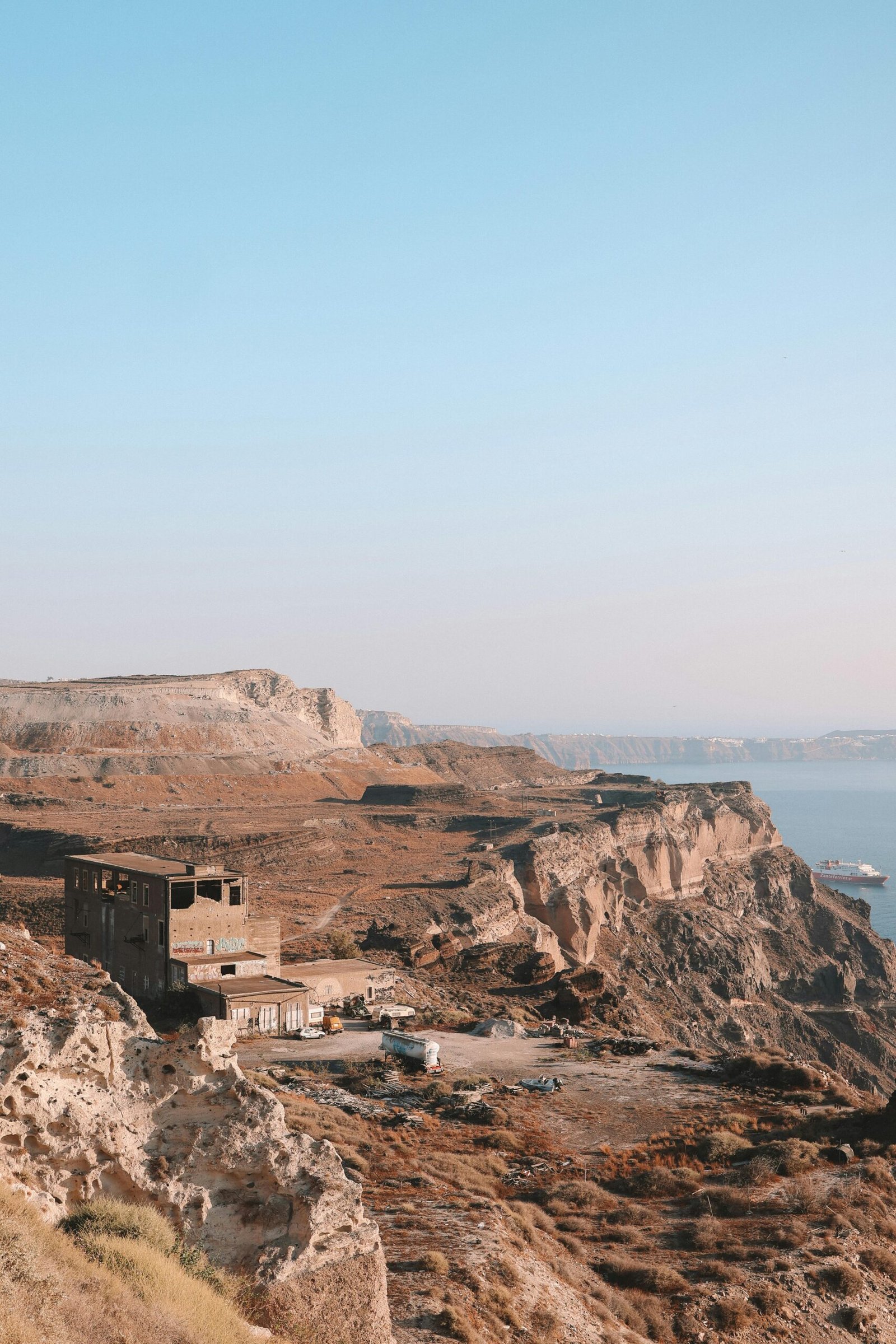
Why Santorini Is Harder to Do Well Than People Admit
Santorini is one of the easiest places in Greece to recognize and one of the easiest places to get wrong. The island is compact, famous, and heavily marketed, which makes travelers assume the experience will be straightforward. In practice, the most common complaint I hear is not disappointment with the scenery; it is disappointment with the pace, the crowds, and the feeling that every good decision had to be made before arrival.
Why Santorini Is Harder to Do Well Than People Admit comes down to one thing: the island has a narrow margin for error. If you choose the wrong area to stay, the wrong season, or the wrong expectations, you pay for it in wasted time and a trip that feels overprocessed. That is why Santorini can be excellent for some travelers and frustrating for others.
Why Santorini Is Harder to Do Well Than People Admit in practice
Most travelers assume Santorini is simple because it is small. Actually, small islands can be more demanding than larger ones because every choice matters more. A poor location choice is not a minor inconvenience here; it can shape your entire day around views, noise, access, and how much of the island you can comfortably use.
The biggest trap is thinking you can improvise once you arrive. Santorini is not a place where the best experience happens by accident. Why Santorini Is Harder to Do Well Than People Admit is that the island’s appeal is concentrated in a few high-demand zones, and those zones are exactly where the friction shows up first.
When Santorini is worth it, and when it is not
Choose Santorini if you care about the caldera setting, are comfortable paying for convenience, and want a trip built around atmosphere rather than variety. It also works well for couples, first-time Greece visitors, and travelers who are happy to trade spontaneity for a polished, highly managed stay.
Do not choose Santorini if you want an easygoing island, lots of room to wander without planning, or a strong value-for-money ratio. Families who need flexibility, travelers who dislike crowds, and people who want a more relaxed Greek island rhythm often leave feeling they paid a premium for constant friction. That is not a small issue; it is the core trade-off.
If you want a broader Greece trip that balances culture and context, start by understanding the national picture on
Visit Greece before locking your dates. Santorini is only one kind of Greek experience, and it is rarely the best first choice for travelers who want the fullest version of the country.
The trade-off matrix most travelers ignore
Santorini changes a lot based on traveler type, season, and tolerance for crowds. The same island can feel elegant to one person and exhausting to another. Here is the blunt version of how the trade-offs usually play out:
- Couples: Strong fit if they want a special-occasion trip and accept premium pricing.
- Families: Mixed fit unless the family is very calm, very organized, and not dependent on easy beach time.
- Solo travelers: Good for a short stay if they enjoy structure and do not mind paying more for convenience.
- Luxury travelers: Best fit, but only if the hotel choice is excellent; in Santorini, the property matters more than the destination name.
- Budget travelers: Poor fit unless expectations are reset early.
- Shoulder season travelers: Better balance, but weather and operating hours become part of the calculation.
Season matters more than people think. In peak months, the island’s famous areas feel compressed and commercially intense, and that changes the emotional tone of the trip. In quieter periods, you get more breathing room, but you also face fewer open options and a less reliable sense of energy.
Most travelers assume the island is romantic by default, but actually it can feel transactional
This is the counterintuitive part: Santorini can feel less luxurious when you spend more money, not more. The higher the demand, the more the experience can start to feel prepackaged, with premium pricing attached to every small convenience. Travelers often mistake that for exclusivity, but exclusivity and friction are not the same thing.
Why Santorini Is Harder to Do Well Than People Admit is that the island’s most famous experience is also its most commercialized. If you are sensitive to being herded, upsold, or pushed into a tightly timed version of “the view,” you will notice it quickly. If you are not expecting that, it can sour the entire trip.
For context on how Greece presents and protects its cultural and visitor landscape, it helps to check the official Ministry of Culture. Santorini is not a museum, but it is part of a country where heritage, access, and tourism are constantly in negotiation.
What goes wrong when people plan Santorini like a casual beach trip
The most common mistake is assuming the island’s small size makes logistics easy. It does not. Travelers lose time when they book the wrong base, underestimate how much they will move between viewpoints and meals, or expect a casual, all-day beach routine that the island is not naturally built to support.
Another mistake is chasing the famous sunset as if that one moment will define the trip. It will not. The sunset is one part of the island’s appeal, and if everything else is strained, crowded, or overpriced, that one hour does not rescue the day. Why Santorini Is Harder to Do Well Than People Admit is that the island is often judged by a single image, while the actual trip is made up of many small decisions.
Most travelers assume the island is mostly about views, but actually the quality of the stay is driven by practical details: where you sleep, how much you move, how crowded your chosen areas feel, and whether your expectations match the island’s pace. That is why a mediocre Santorini trip usually feels worse than a mediocre trip elsewhere.
Who gets the best version of Santorini
The best Santorini trips are usually short, focused, and intentional. Travelers who pick one clear purpose for the visit, whether that is a special celebration, a premium stay, or a concentrated scenic break, tend to leave satisfied. They are not trying to make Santorini do everything.
The travelers who struggle most are the ones asking the island to be several things at once: relaxing, cheap, spontaneous, beach-heavy, and highly scenic. Santorini can do some of those things well, but not all at the same time. That is the real reason Why Santorini Is Harder to Do Well Than People Admit keeps coming up in serious trip planning.
If your style is flexible and you like to improvise, Santorini may still be worth it, but only if you accept that you are paying for a curated experience, not an effortless one. If you want an easy Greek island with less pressure, there are better choices.
Clear guidance for the most common traveler scenarios
If you are a first-time visitor to Greece and want one iconic stop, Santorini can be a strong choice, but keep the stay focused and do not overload it. If you are planning a honeymoon or anniversary, it can work very well because the island’s strengths are concentrated and obvious. If you are traveling with children, a tight budget, or a dislike of crowds, I would be cautious and probably direct you elsewhere.
If you are still deciding, ask yourself one blunt question: do you want Santorini for the experience, or for the image of the experience? That distinction matters. Why Santorini Is Harder to Do Well Than People Admit is that the island delivers best when you want its actual strengths, not the version sold in most travel content.
The right answer depends on how you actually travel — your pace, your priorities, and what you’re willing to trade off. If you’re not sure which option fits, that uncertainty is itself useful information.
Recommended experiences
Some experiences mentioned here are curated and managed by Elite Greece Travels.
- Athens Milos Santorini Itinerary 9 Days — Itinerary (managed by Elite Greece Travels).
- Greece 7 Day Itinerary Athens Delphi Meteora Santorini — Itinerary (managed by Elite Greece Travels).
- Santorini Sunset Cruise With Dinner In The Caldera — Cruise (managed by Elite Greece Travels).
Frequently asked questions
Why is Santorini harder to do well than people admit?
Because the island is small, expensive, and high-demand, so mistakes in location, timing, and expectations have an outsized effect. A weak plan here does not just reduce comfort; it can make the whole trip feel crowded and rushed.
Is Santorini worth it for first-time visitors to Greece?
Yes, if you want one iconic, high-recognition stop and you are fine paying for convenience. No, if your goal is a relaxed, flexible island holiday with good value and little friction.
What is the biggest mistake travelers make in Santorini?
They treat it like a casual island where they can decide everything after arrival. In reality, the best parts are concentrated and demand is high, so poor planning shows up quickly as wasted time and higher costs.
Is Santorini good for families?
Sometimes, but only for families that are comfortable with structure, premium pricing, and less beach-centric days. Families wanting easy movement, low stress, and flexible downtime often find it harder than expected.
What kind of traveler enjoys Santorini most?
Couples, luxury travelers, and people celebrating a special occasion usually get the most from it. Travelers who value atmosphere over spontaneity and are comfortable with premium pricing tend to leave happiest.
Is Santorini better in shoulder season?
Usually yes, because the island feels less compressed and easier to enjoy. The trade-off is that some services may be reduced and the weather is less predictable.
Should I stay in Santorini for a long time?
For many travelers, no. Santorini is often better as a focused stay than as a long, open-ended island base, because the island’s strengths are concentrated and its limitations become more obvious over time.