

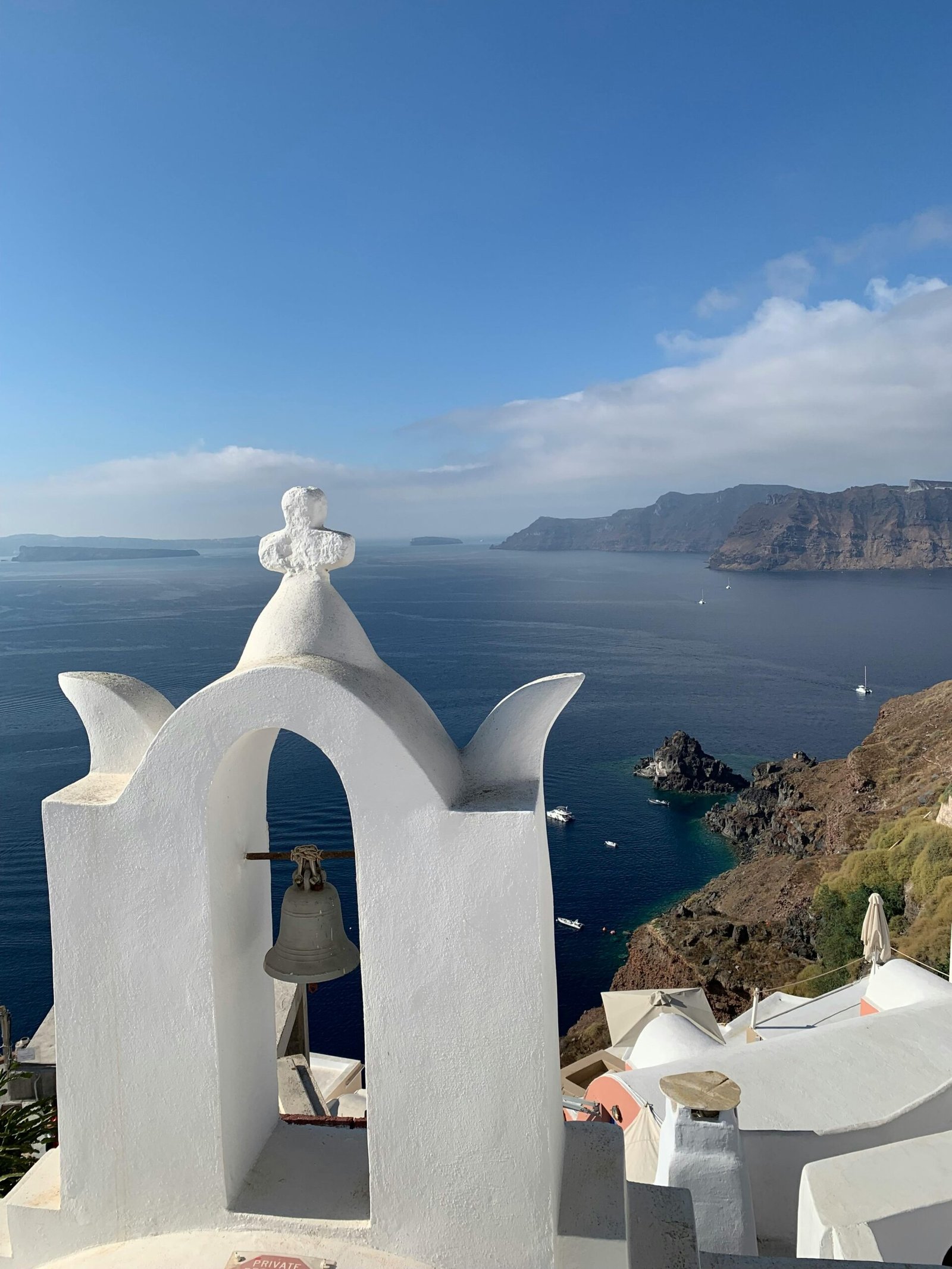
Why Most First-Timers to Santorini Leave Slightly Disappointed is usually not a mystery of taste; it is a mismatch between the image people carry in and the actual conditions they meet in peak season. Most travelers are not choosing Santorini badly because they are uninformed. They are choosing it because they want the version they have already seen online, and that version is edited for mood, not for crowds, heat, or friction.
The problem starts before anyone books. Santorini is often treated like a guaranteed emotional payoff: romance, ease, clean views, immediate gratification. In reality, the island asks for more patience than first-timers expect, and that is where the disappointment begins.
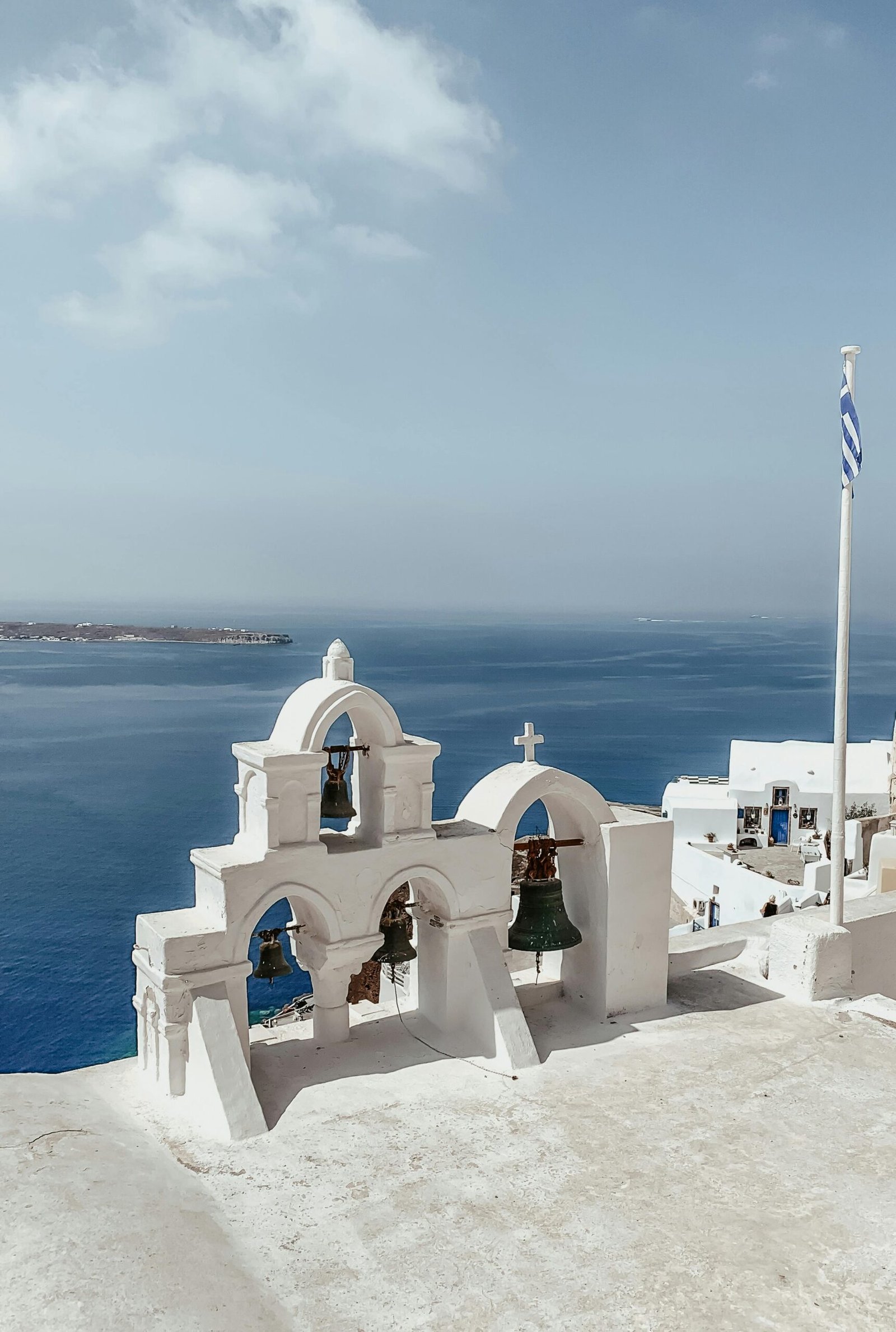
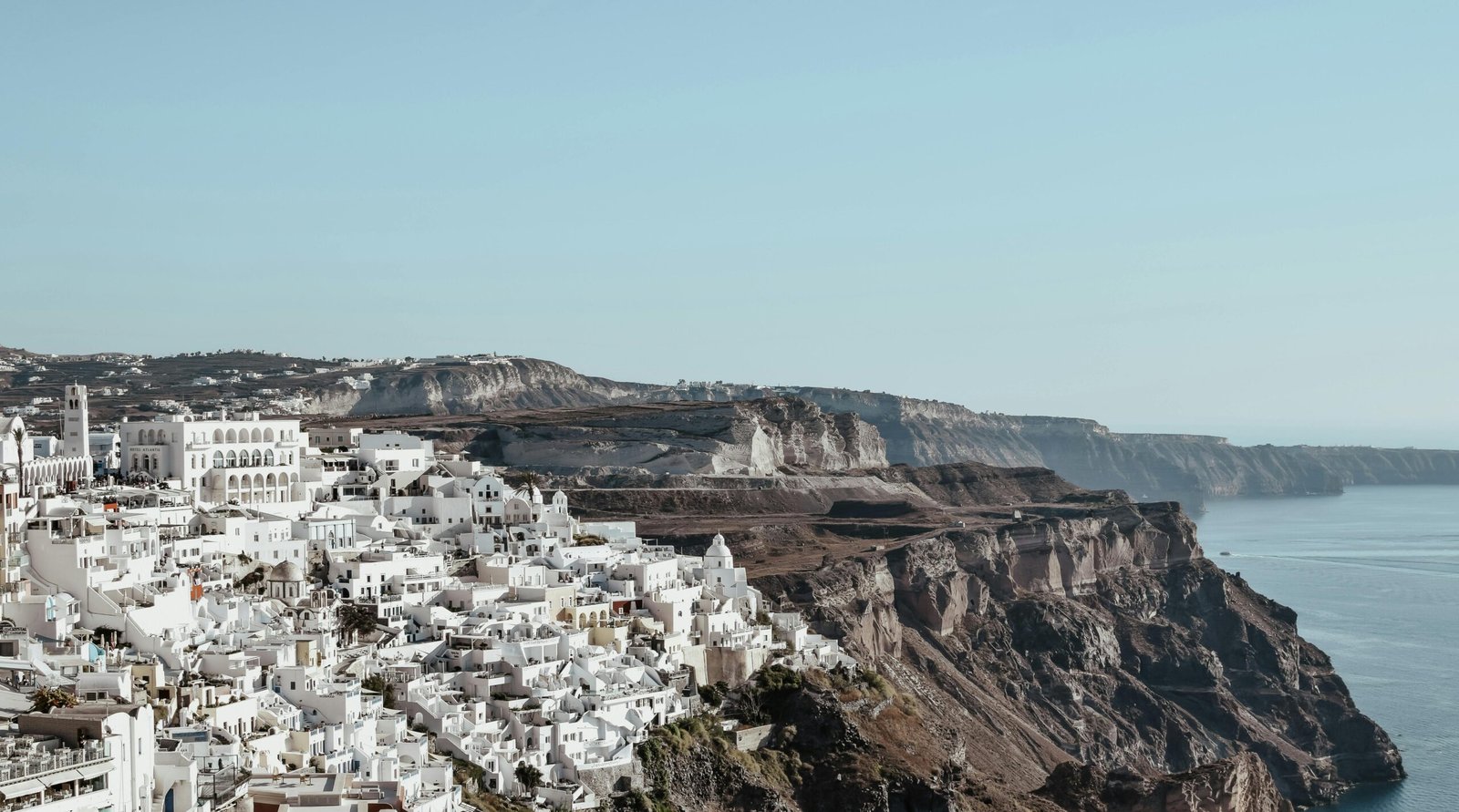
Why Most First-Timers to Santorini Leave Slightly Disappointed
The real psychological trap behind Why Most First-Timers to Santorini Leave Slightly Disappointed
The trap is not ignorance. It is projection. Travelers project a private fantasy onto a place that has become heavily standardized by demand, and then they feel let down when Santorini behaves like a very busy, very famous island instead of a personal movie set.
That is why Why Most First-Timers to Santorini Leave Slightly Disappointed is such a useful question. It exposes the gap between what people think they are buying and what they are actually buying: access to a famous view, not a private emotional experience. In peak season, that gap gets louder every day.
Why travelers keep choosing Santorini anyway
People choose Santorini because it feels like a safe first Greece decision. It is recognizable, easy to explain to friends, and loaded with social proof. For many first-timers, that matters more than originality, which is why the island gets selected before the trip has a clear purpose.
There is also a deeper emotional reason: travelers want a place that confirms their idea of Greece without demanding too much from them. Santorini promises instant visual payoff, and that promise is seductive. The mistake is assuming that a strong visual identity automatically produces a satisfying stay.
For travelers still building a broader Greece trip, the official
Visit Greece resources are useful as a reality check, but even those cannot replace a clear decision about what kind of trip you actually want.
The expectation gap: what people think they are getting
Most first-timers expect calm, intimacy, and a sense of exclusivity. They imagine long, easy evenings and a place that feels curated for them. What they usually get in peak season is density, queues, inflated prices, and a lot more coordination than they expected.
The disappointment is rarely about one bad meal or one crowded viewpoint. It is the accumulation of small frictions: waiting for tables, timing everything around the crowd, and realizing the island is working hard to absorb the volume of visitors. That is a very different emotional experience from the one most people pictured.
Here is the counterintuitive part: many travelers are not disappointed because Santorini is overrated. They are disappointed because it is exactly what it has become — famous, crowded, and optimized for short stays, not for lingering comfort. That distinction matters, and most first-timers do not make it until they are already there.
The moment disappointment usually hits
The first real drop in excitement often comes when the island stops feeling spacious. It is not one dramatic failure; it is the moment people realize they have to manage timing, crowds, and temperature just to get a normal day out of the place. That is when the fantasy of effortless romance starts to crack.
For many, the sharper disappointment arrives at sunset. They expected a private emotional peak and instead find themselves in a packed, highly managed scene where everyone is trying to capture the same moment at once. The view is still there, but the feeling is different, and that difference is what people remember.
Who is most prone to this pattern
First-timers who are most likely to leave underwhelmed usually fall into a few clear groups.
- Couples using Santorini as a shorthand for romance without wanting crowd pressure.
- Travelers who want a “luxury” experience but do not want to pay attention to timing or trade-offs.
- People who have seen too many polished images and assume the island will feel private.
- Travelers building a Greece itinerary around status rather than fit.
These groups are not making foolish choices. They are making emotionally understandable ones. They want the social meaning of Santorini — the proof that they went — more than the practical reality of being there in a busy season.
Season changes the emotional outcome more than people admit
Peak season does not just change logistics. It changes mood. The same island can feel dramatically different when the pace is controlled versus when every popular area is under constant pressure, and first-timers usually underestimate how much that affects enjoyment.
This is where the image-versus-reality problem becomes concrete. If your mental picture is built around calm, space, and spontaneity, peak season Santorini will force you into constant adjustment. That is exhausting for travelers who thought they were buying ease.
Greece rewards travelers who arrive with a plan, but Santorini punishes the ones whose plan is really just a wish. That is not a moral judgment. It is just what happens when expectation is stronger than judgment.
How to approach Santorini differently
The better question is not whether Santorini is worth it. The better question is what role you want it to play in the trip. If you want spectacle, social currency, and a famous Greek island experience, Santorini can deliver. If you want quiet, flexibility, and the feeling that the island is working for you, you are likely aiming at the wrong target.
Approach it as a highly visible, high-demand destination with real constraints, not as a universal Greece answer. That shift in framing changes everything: what you book, what you expect, and what you forgive. It also protects you from the specific kind of disappointment that comes from expecting a place to become a feeling on command.
For cultural context beyond the island itself, the Hellenic Ministry of Culture is a useful reminder that Greece is not one aesthetic. It is a country of distinct histories, habits, and rhythms, and Santorini is only one very compressed version of that reality.
Conclusion: the honest reframe
Why Most First-Timers to Santorini Leave Slightly Disappointed is not a warning to avoid the island. It is a warning to stop asking it to do a job it was never built to do. Once you understand the emotional script behind the choice, the island becomes easier to place in the trip and harder to misread.
Greece doesn’t punish inexperience. It punishes unexamined assumptions. The travelers who leave disappointed rarely lacked information — they lacked a framework for using it.
Frequently asked questions
Why do so many first-time visitors expect Santorini to feel more private than it does?
Because the island’s image is built from selective visuals. First-timers often confuse a famous view with a private experience, then feel the gap when peak-season crowds make everything feel shared and managed.
Is Santorini actually disappointing, or are expectations too high?
Usually the expectations are too high and too narrow. Santorini is a strong destination, but it is not a universal fit, especially for travelers who want ease, quiet, and flexibility in peak season.
What is the biggest mistake first-timers make with Santorini?
They treat the island as a guaranteed emotional experience instead of a high-demand destination with real trade-offs. That leads to surprise when crowds, pricing, and timing shape the trip more than they expected.
Which travelers are most likely to leave Santorini underwhelmed?
Couples chasing romance without wanting crowd pressure, luxury travelers who dislike friction, and people who chose Santorini mainly because it is famous are the most prone to disappointment.
Does peak season make Santorini worse for first-timers?
Yes, for many travelers it does. Peak season amplifies every mismatch between expectation and reality, especially for people who assumed the island would feel calm and effortless.
How should a first-timer think about Santorini more realistically?
As a famous, high-demand island with a strong visual identity and real constraints. That framing leads to better decisions about whether it belongs in the trip at all, and if so, what role it should play.