

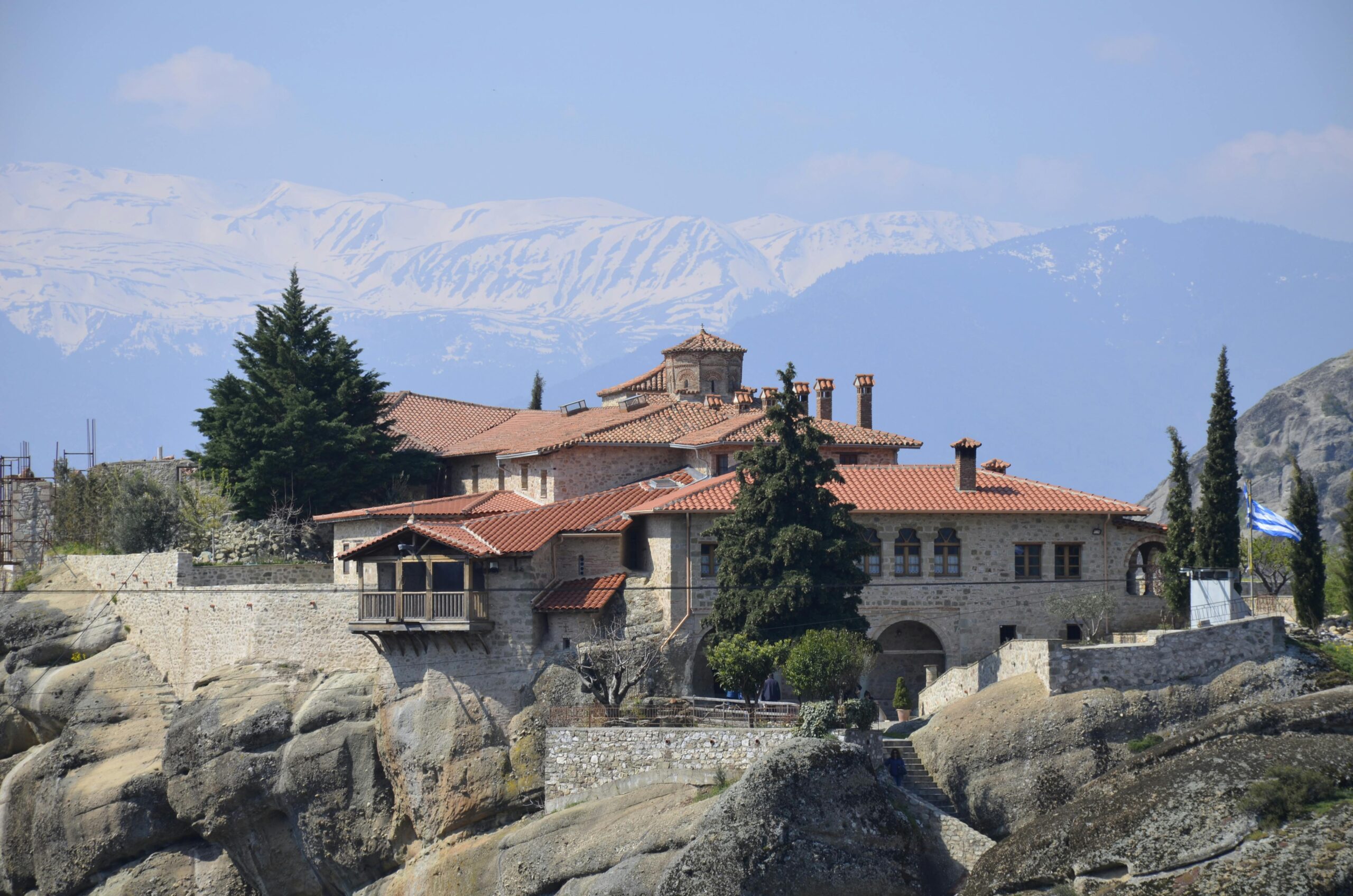
Why Planning a Trip to Meteora Without a Specialist Is a Rookie Mistake is the harsh reality many travelers face when they underestimate this destination’s complexity. Meteora is not just a visual spectacle of towering rock formations and monasteries; it is a layered experience that demands more than a casual visit. Without proper guidance, the essence of Meteora’s spiritual and geological uniqueness often remains frustratingly out of reach.
Why Planning a Trip to Meteora Without a Specialist Is a Rookie Mistake
The Complex Geography That Defies Casual Exploration
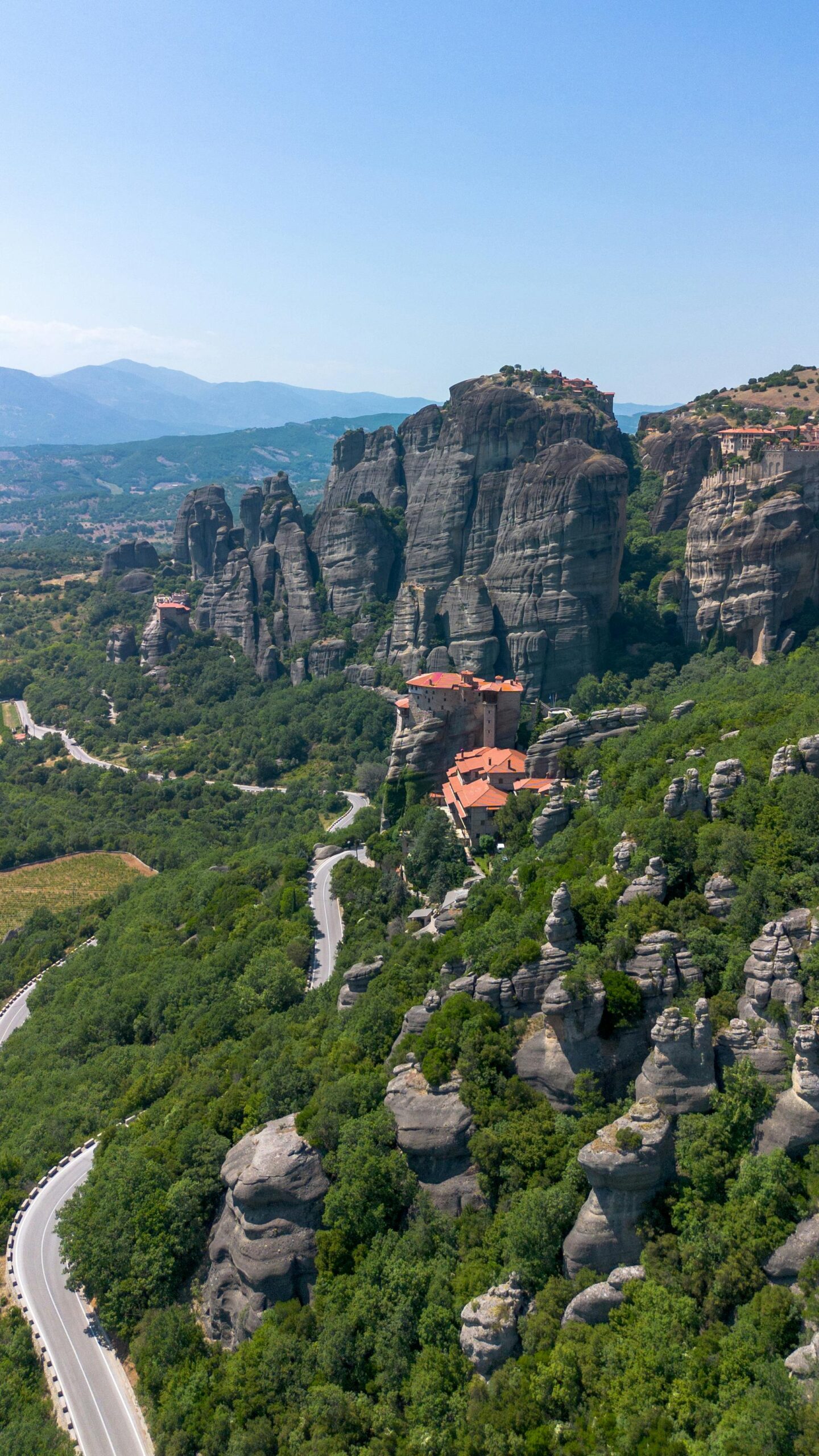
Meteora’s dramatic cliffs and rock pillars are a natural marvel that no guidebook can fully convey. The scale and layout of the formations confound straightforward navigation. Many visitors believe a quick stop at the main monasteries suffices, but this disregards how the terrain dictates timing and accessibility. For example, Kalambaka and Kastraki, the two main towns at Meteora’s base, offer very different access points and atmospheres. Missing this nuance means trading authentic immersion for a rushed checklist.
Why Planning a Trip to Meteora Without a Specialist Is a Rookie Mistake: The Spiritual Layer
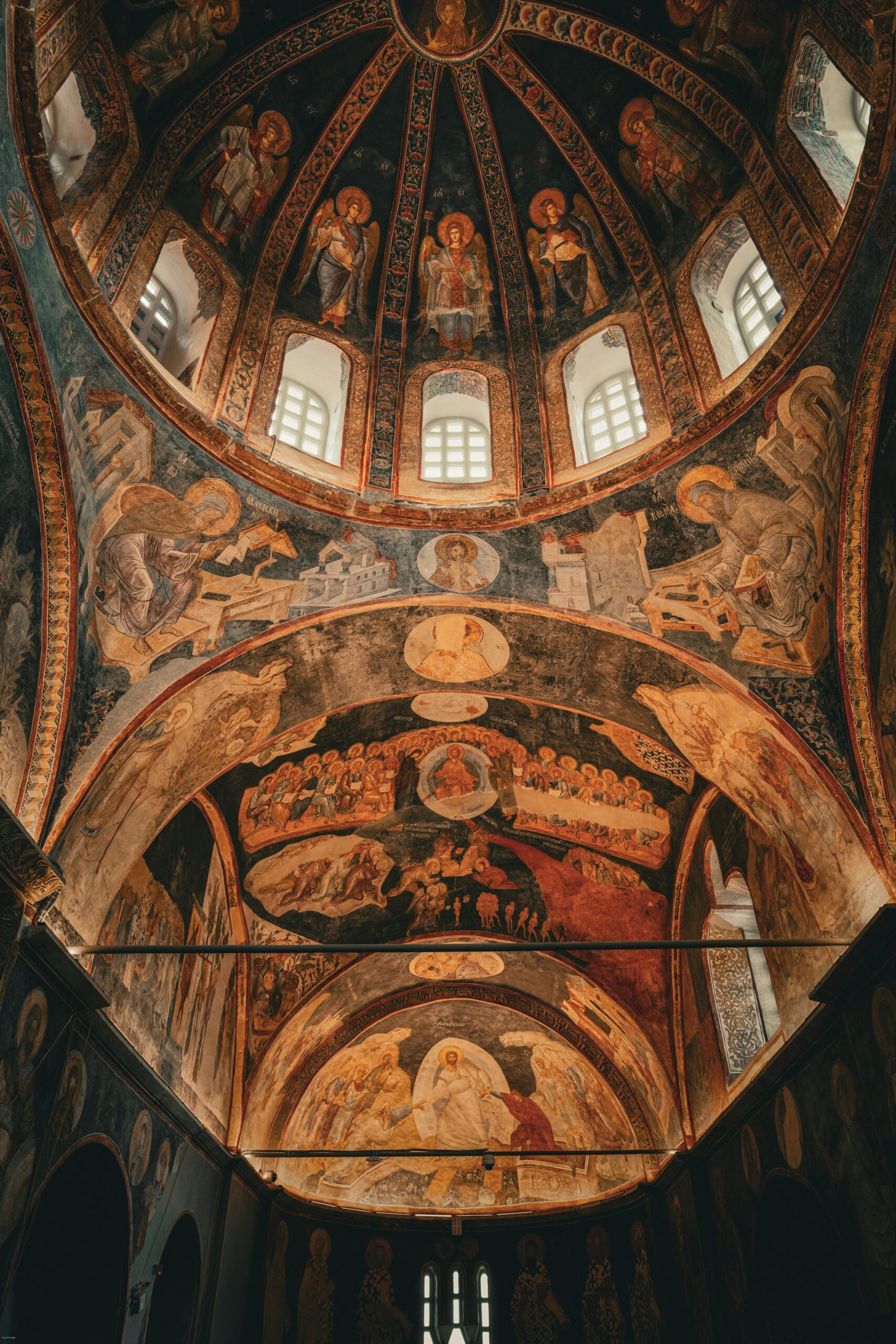
The monasteries of Meteora are living institutions with centuries-old traditions. Their religious significance is inseparable from the landscape. Travelers without expert insight often mistake these places for mere tourist attractions, missing the silence, ritual, and history embedded in each stone. Sites like the Great Meteoron and Varlaam monasteries require a respectful approach and timing to attend services or witness sacred moments, which specialists understand deeply. This dimension is lost on those who do not prepare adequately.
Common Misconceptions That Drain the Experience
Two errors happen repeatedly: underestimating the physical demands and overestimating what can be seen in a day. Meteora’s climbs are not just hikes; they are encounters with a rugged, ancient world. Rushing through multiple monasteries without pauses means losing the emotional resonance of the place. Many travelers also underestimate how weather shifts impact both safety and mood, especially in shoulder seasons. Spring and early autumn offer the best balance between light crowds and favorable conditions.
Trade-offs: Depth Versus Convenience
Choosing to visit Meteora independently often means sacrificing depth for convenience. While a self-guided trip may feel liberating, it frequently results in missing out on the subtle stories behind each monastery and the local customs in villages like Kastraki. Conversely, joining a group tour can feel restrictive and impersonal. The real art is in a tailored approach that balances exploration with reflection, recognizing that Meteora’s soul is not found in speed or quantity but in thoughtful engagement.
Who This Suits—and Who It Doesn’t
Meteora rewards travelers who crave history, spirituality, and nature intertwined. It suits those willing to slow down, embrace uneven terrain, and appreciate silence as much as spectacle. It is not for travelers seeking quick photo ops or easy sightseeing. Families with very young children or travelers with mobility constraints will face challenges here. Those looking for a straightforward, low-effort excursion should reconsider their priorities before committing to Meteora.
Uncommon Insights from Experienced Travelers
Surprisingly, some of the most memorable moments come from less-visited sites like the monastery of St. Nicholas Anapausas or the quiet village of Sotira, where time seems suspended. These places offer a different emotional texture—subtle and intimate, away from the crowds. Few realize that Meteora’s magic is not just in panoramic views but in the contrasts between bustling Kalambaka and the contemplative calm of the cliffs. This layered experience requires more than casual reading; it demands a guide who knows when and where to go.
The Cultural Context: Beyond the Rocks
Meteora’s significance extends into Greek cultural identity, preserved through monastic traditions and local folklore. Understanding this context enriches every visit. Institutions like the Greek Ministry of Culture emphasize the conservation of Meteora’s spiritual heritage, which is fragile and requires respectful tourism. Knowing this elevates the experience beyond sightseeing and fosters genuine appreciation.
Conclusion: The Value of Expert Planning
Meteora is a destination that challenges assumptions: it is neither a casual day trip nor a simple hike. The difference between a superficial visit and a deeply rewarding experience hinges on how well the trip is planned. Greece rewards travelers who arrive with a plan built around how they actually travel — not a generic template. The difference between a frustrating trip and a remarkable one often comes down to sequence, timing, and knowing which trade-offs matter for your situation. Expert guidance is invaluable to navigate Meteora’s unique demands and unlock its true meaning.
For those interested in the broader Greek cultural landscape, the Acropolis Museum offers additional context that complements the spiritual journey through Meteora, anchoring it within Greece’s complex historical narrative.
Recommended experiences
Some experiences mentioned here are curated and managed by Elite Greece Travels.
- Greece 7 Day Itinerary Athens Delphi Meteora Santorini — Itinerary (managed by Elite Greece Travels).
- Athens Meteora Olympia Delphi Itinerary 7 Days — Itinerary (managed by Elite Greece Travels).
- Athens Meteora Santorini Itinerary 7 Days — Itinerary (managed by Elite Greece Travels).
Frequently asked questions
What is the best time of year to visit Meteora?
Spring and early autumn are the ideal seasons to visit Meteora, offering mild weather, fewer crowds, and better conditions for exploring the monasteries and hiking the terrain.
Can I visit Meteora independently without a guide?
While independent visits are possible, many travelers find they miss the depth and context that come with expert guidance, especially regarding the spiritual heritage and complex geography.
Are all monasteries in Meteora open to visitors?
No, some monasteries have restricted access or limited visiting hours due to religious services or preservation efforts. Planning ahead ensures you can see the sites that interest you most.
Is Meteora suitable for families with young children?
Meteora’s terrain and monastery access can be challenging for young children, making it less suitable for families seeking an easy, child-friendly destination.
How many days should I allocate to properly explore Meteora?
At least two full days are recommended to appreciate Meteora’s natural formations, visit several monasteries, and absorb the spiritual atmosphere without rushing.
What are some lesser-known sites in Meteora worth visiting?
Monasteries like St. Nicholas Anapausas and villages such as Sotira provide quieter, more intimate experiences away from the main crowds.
Does visiting Meteora require any special physical fitness?
A reasonable level of fitness is necessary due to uneven paths and stairs at the monasteries. Visitors should be prepared for some hiking and climbing.