

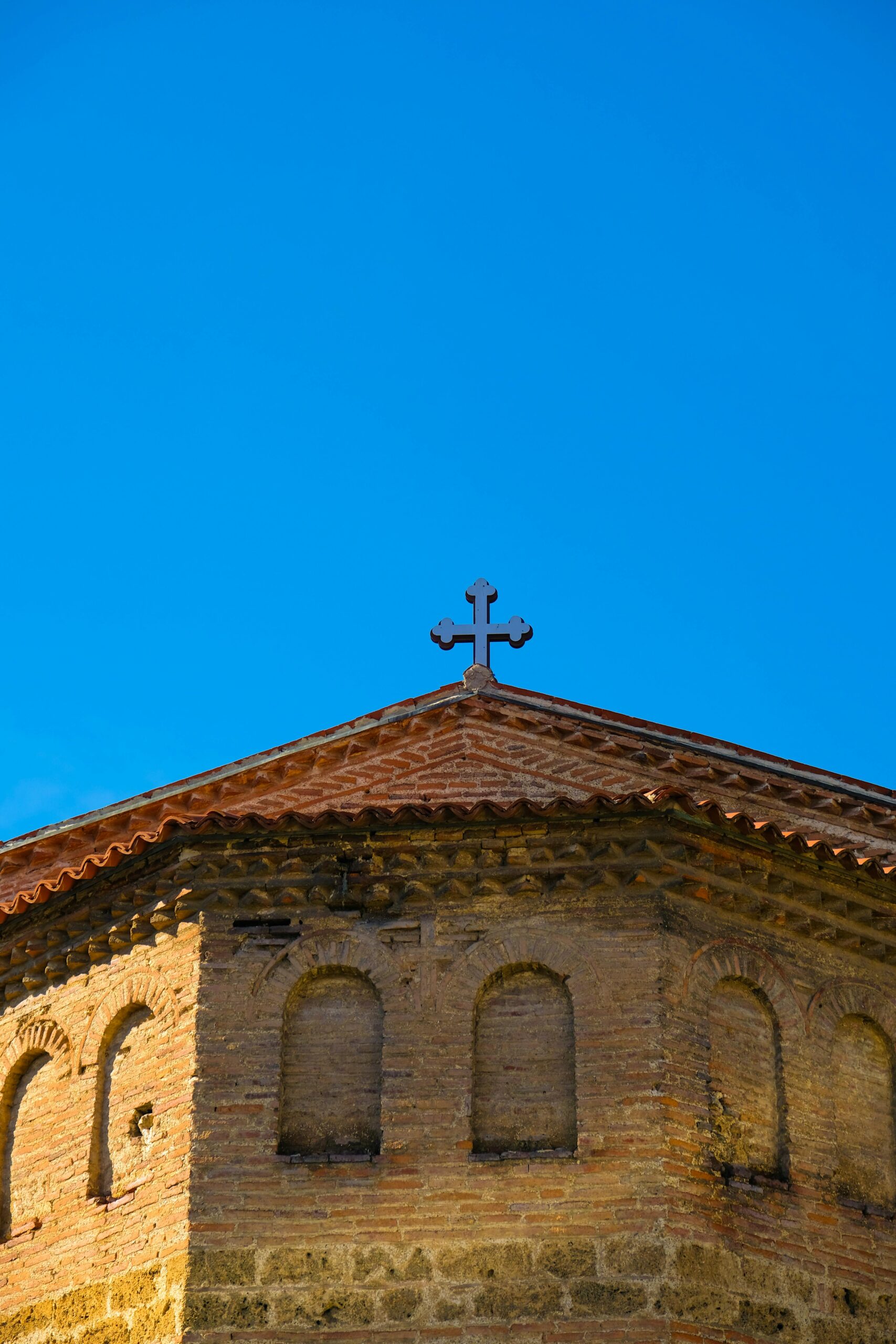
Why Planning a Trip to Meteora Without Local Insight Is a Mistake is a reality many travelers face when they underestimate the complexity of this unique destination. Meteora’s monasteries are not just tourist stops; they require precise timing, local knowledge, and a clear understanding of what you want to experience.
Ignoring these factors leads to wasted time, disappointment, and often a superficial visit that misses the spiritual and cultural depth Meteora offers.
Why Planning a Trip to Meteora Without Local Insight Is a Mistake
Common Mistakes Travelers Make in Meteora
One frequent error is underestimating the strict opening hours of the monasteries. Many visitors arrive expecting to see multiple monasteries in a single day, only to find some closed or overcrowded. Another mistake is assuming all monasteries offer the same experience; each has a distinct character and accessibility level that affects your visit.
Key Places and Neighborhoods to Know in Meteora
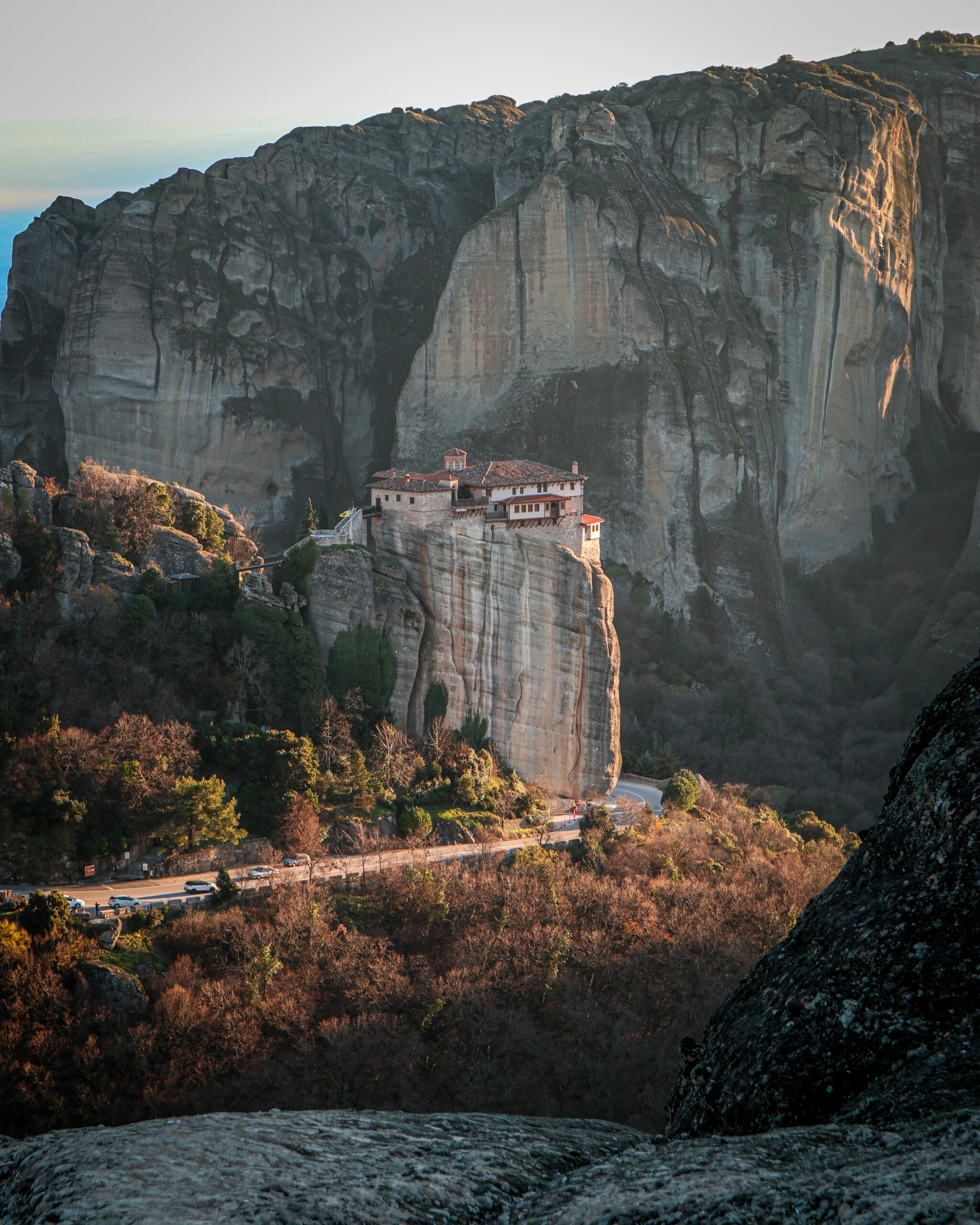
The town of Kalambaka serves as the main base for most visitors but lacks the authentic atmosphere of the monasteries themselves. Kastraki village offers a quieter, more traditional setting closer to the rock formations. The Great Meteoron Monastery is the largest and most visited, while Varlaam and Roussanou monasteries provide different architectural and spiritual experiences. Agios Nikolaos Anapafsas is smaller but notable for its frescoes. Each location demands different planning and timing to avoid crowds and maximize the visit.
Why Planning a Trip to Meteora Without Local Insight Is a Mistake: Timing and Logistics
Local insight is essential to coordinate your visit around monastery schedules, religious services, and seasonal variations. For example, some monasteries close on specific weekdays or religious holidays, which are not always clearly communicated online. Without this knowledge, travelers risk arriving at closed sites or during peak crowd times, turning what should be a contemplative experience into a frustrating rush.
Who This Suits and Who Should Look Elsewhere
Meteora suits travelers interested in history, religion, and natural landscapes who are willing to engage with local customs and schedules. It is not ideal for those seeking a relaxed, spontaneous vacation or families with very young children due to the physical demands and strict access rules. Solo travelers with a focus on cultural depth will find it rewarding, but large groups without a clear plan often struggle.
A Counterintuitive Observation About Visiting Meteora
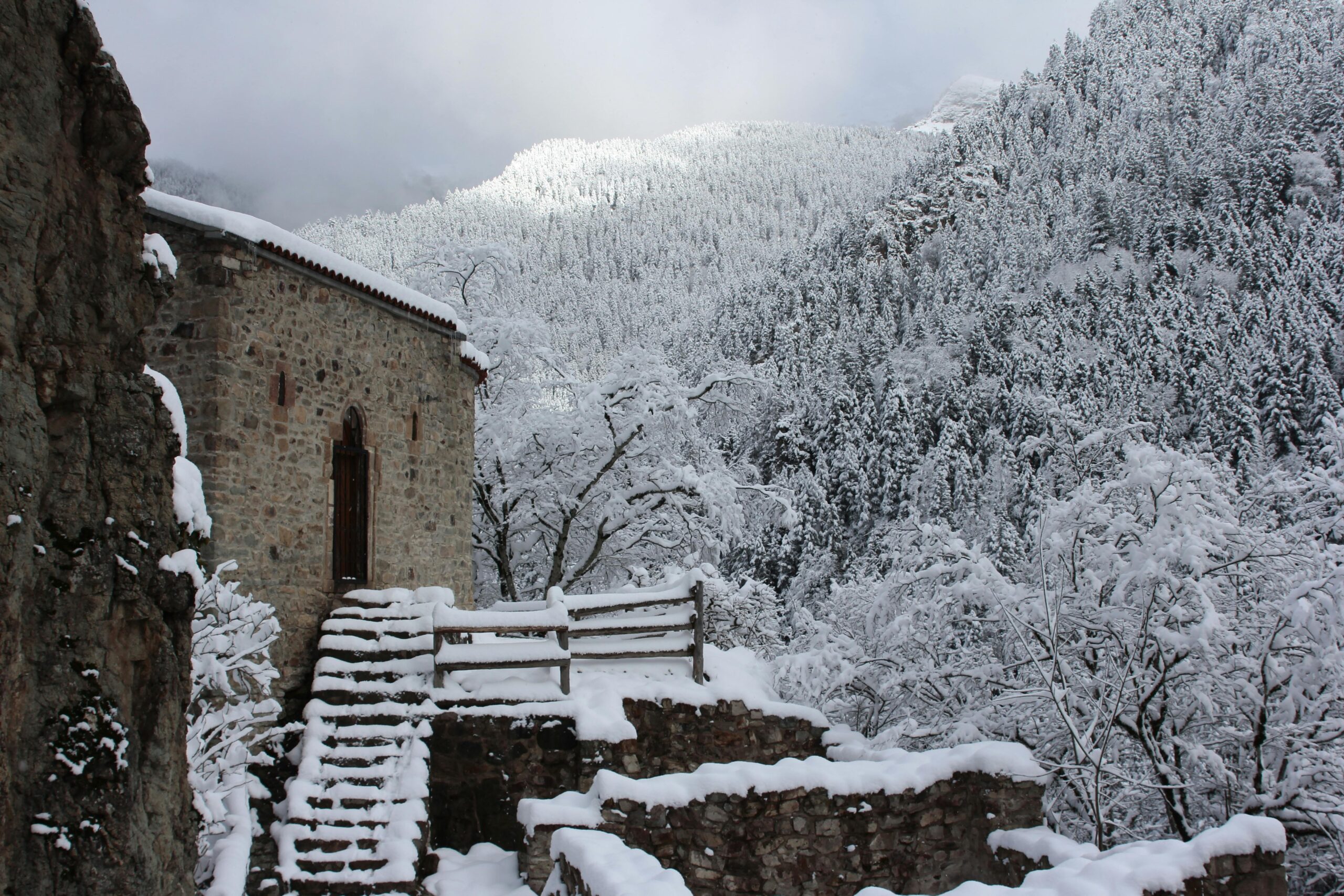
Contrary to popular belief, visiting Meteora in peak summer is often the worst choice. The high season brings crowds that overwhelm the narrow paths and monastery interiors, diminishing the experience. Visiting in late spring or early autumn, when some monasteries have reduced hours, actually offers a more peaceful and meaningful visit—if you have local guidance to navigate these restrictions.
Trade-Offs: What You Gain and What You Give Up
With expert planning, you gain access to lesser-known monasteries, optimal timing for photography and spiritual reflection, and a deeper understanding of Meteora’s history. The trade-off is less flexibility; you must adhere to a schedule that respects monastery rules and local rhythms. Ignoring this results in lost time and a diluted experience.
Conclusion
Most Greece trips follow the same tired script. The ones that don’t — the ones travelers still talk about years later — were built around a real understanding of how this country works. That kind of understanding takes time, or it takes someone who already has it.
For those seeking to deepen their visit, official cultural resources like the
Hellenic Ministry of Culture provide valuable background, while broader context on Greece’s heritage can be found at the Acropolis Museum. These resources complement local insight to create a well-rounded Meteora experience.
Recommended experiences
Some experiences mentioned here are curated and managed by Elite Greece Travels.
- Greece 7 Day Itinerary Athens Delphi Meteora Santorini — Itinerary (managed by Elite Greece Travels).
- Athens Meteora Olympia Delphi Itinerary 7 Days — Itinerary (managed by Elite Greece Travels).
- Athens Meteora Santorini Itinerary 7 Days — Itinerary (managed by Elite Greece Travels).
Frequently asked questions
What is the best time of year to visit Meteora?
Late spring and early autumn offer the best balance of good weather and fewer crowds. Summer months can be overwhelmingly busy, and some monasteries may have limited hours in winter.
Are all Meteora monasteries open every day?
No. Each monastery has specific opening days and hours, often closing on certain weekdays or religious holidays. Local insight is necessary to plan visits accordingly.
Can I visit Meteora without a guide?
While possible, visiting without local insight often results in missing key monasteries or arriving at inconvenient times. A guide or expert planning ensures you maximize the experience.
Is Meteora suitable for travelers with mobility issues?
Meteora involves steep paths and stairs, especially within monasteries. Travelers with mobility challenges should plan carefully and may find some sites inaccessible.
How many monasteries can I realistically visit in one day?
Visiting two to three monasteries in a day is realistic with proper planning. Trying to see more often leads to rushed visits and fatigue.
What should I wear when visiting the monasteries?
Modest clothing is required: shoulders and knees must be covered. Women may need to wear skirts provided at the entrance if not dressed appropriately.
Are there local accommodations near Meteora’s monasteries?
Kalambaka and Kastraki villages offer the closest accommodations. Staying in Kastraki provides a quieter atmosphere closer to the rock formations.