

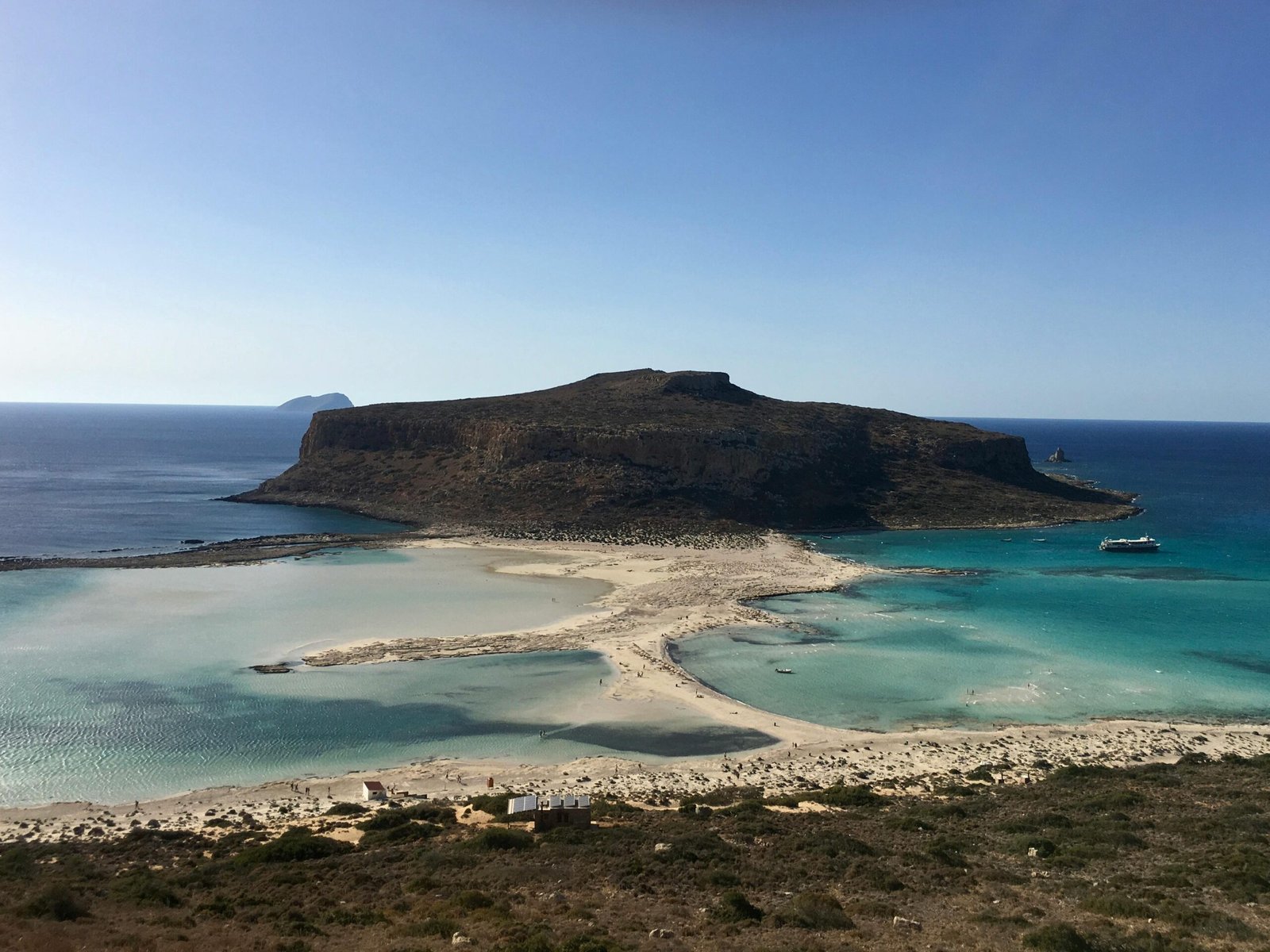
Why Crete Is Too Big for Amateur Planning is not a dramatic headline; it is a practical warning. Crete looks manageable on a map, but the island behaves more like several destinations stitched together than one easy holiday base. Travelers who treat it as a simple A-to-B island usually waste days, choose the wrong area, or end up spending too much time in transit and too little time enjoying the place.
The mistake is usually the same: they pick accommodation by price or a single beach photo, then discover that Crete’s geography and regional character matter more than almost anywhere else in Greece. If you want Crete to work, you need to plan around regions, not just attractions.
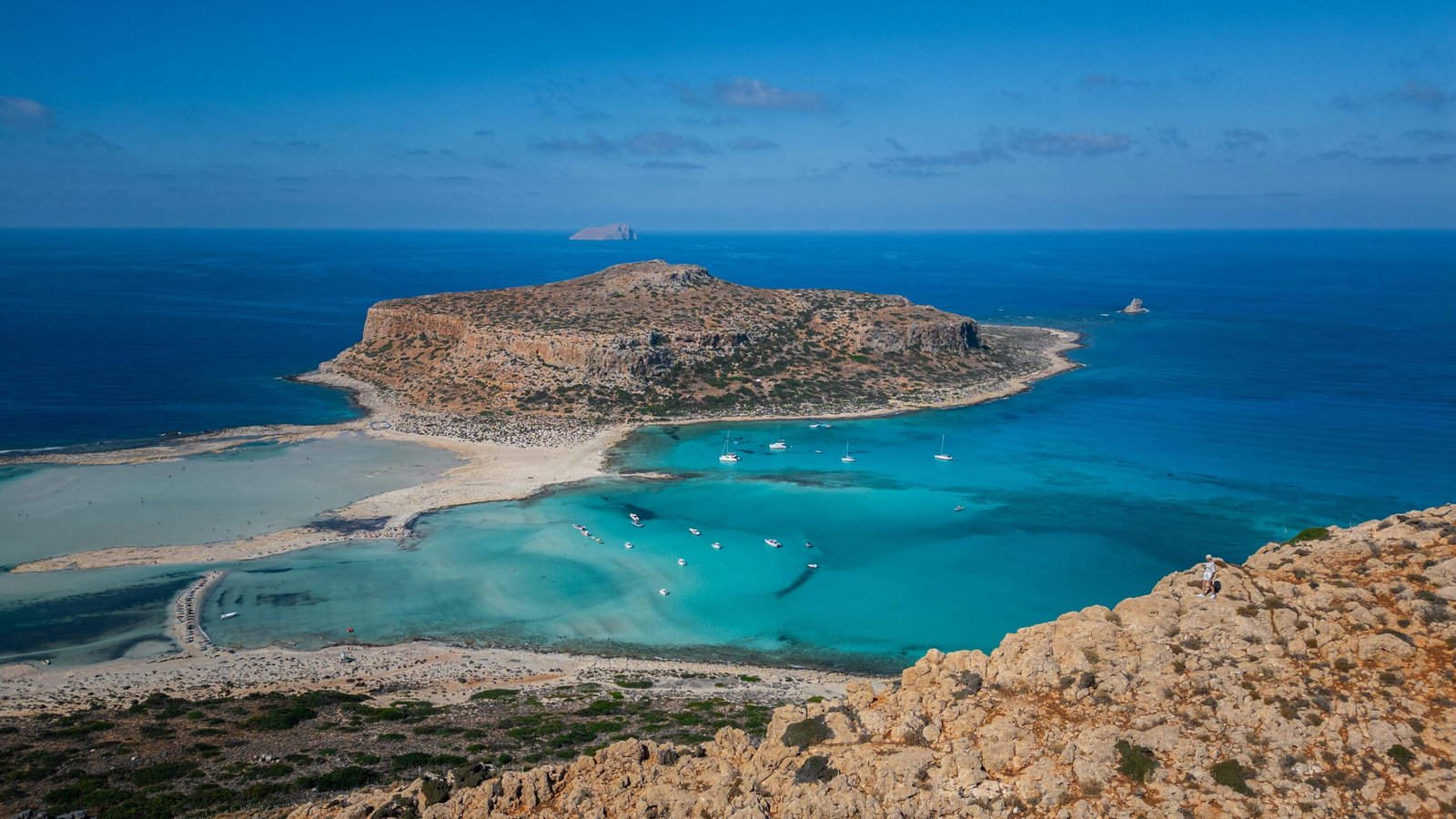
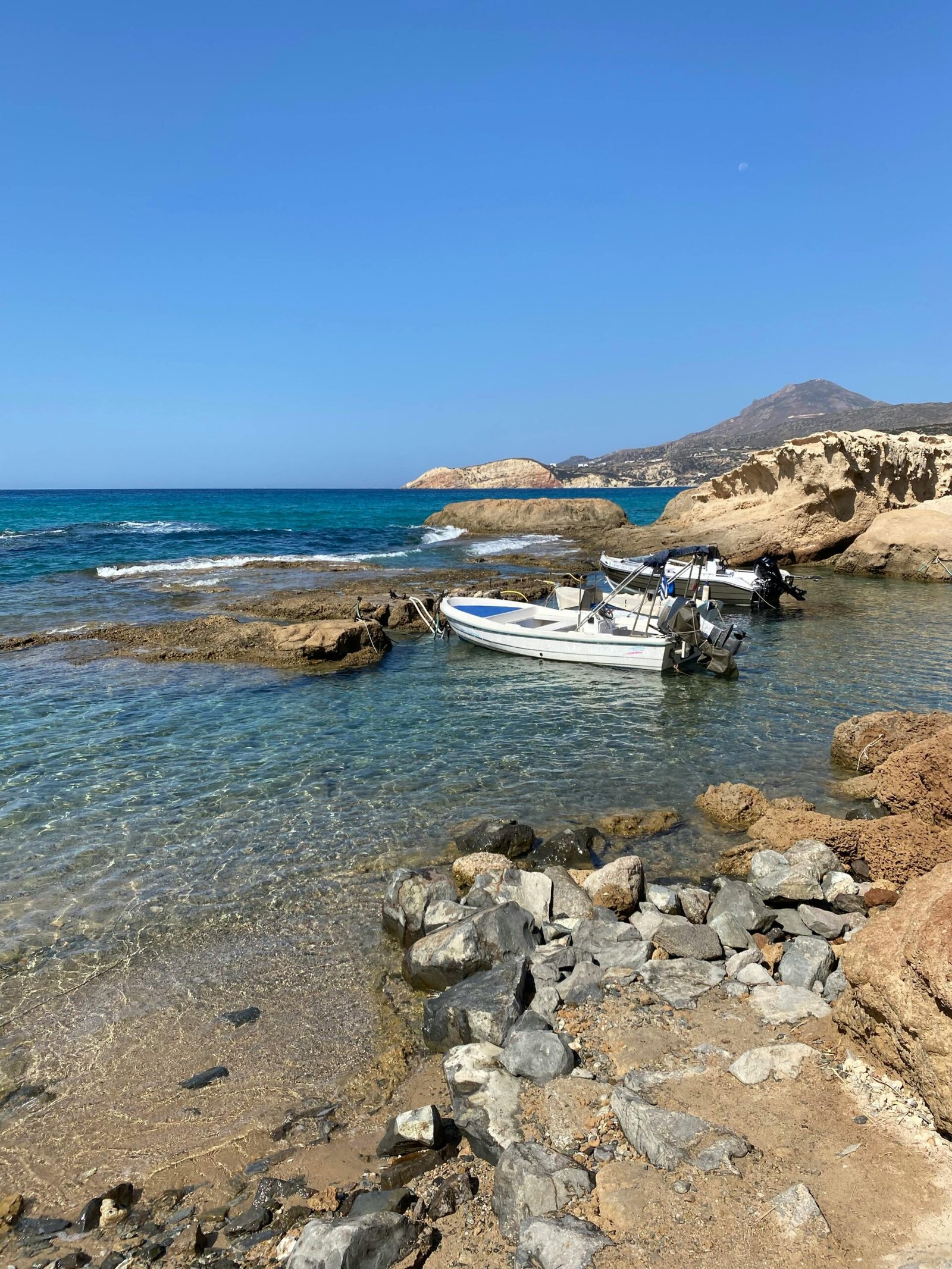
Why Crete Is Too Big for Amateur Planning
Crete is one of the easiest places in Greece to misplan badly because it rewards structure and punishes vague thinking. I say that plainly because too many travelers assume one island equals one simple base, and that is exactly where the trouble starts. Why Crete Is Too Big for Amateur Planning is not about making the trip complicated; it is about avoiding the kind of trip that looks efficient on paper and feels scattered on the ground.
Crete is not one destination
People talk about Crete as if it is a single experience, but that is lazy planning. West Crete, central Crete, and the east all feel different, attract different travelers, and reward different pacing. Chania, Rethymno, Heraklion, Elounda, Matala, and Agios Nikolaos are not interchangeable names on a list; they are different trip decisions.
That matters because a base that works for a beach-focused couple can be a poor fit for a family that wants easy access to culture, or for travelers who want a calmer, more refined stay. Crete is large enough that the wrong base does not just irritate you; it reshapes the trip.
Why Crete Is Too Big for Amateur Planning: the two mistakes that cause most regret
The first mistake is trying to see too much from one accommodation base. Travelers look at the map, see what appears to be a reasonable spread, and underestimate how much of the island they are actually asking themselves to cover. The result is a trip that feels like a series of transfers rather than a holiday.
The second mistake is choosing an area for the wrong reason. Many people book Chania because they have seen photos of the old harbor, then complain later that they wanted quieter beaches and less bustle. Others stay near Heraklion because it is practical, then are disappointed by the atmosphere because they were really looking for something more relaxed and scenic.
This is where Why Crete Is Too Big for Amateur Planning becomes obvious in practice: the island is full of good choices, but not many universal ones. A good itinerary starts by matching region to traveler type, not by chasing the most famous name.
Where the island actually works for different travelers
Chania suits travelers who want a polished, high-demand base with strong dining, a busy waterfront, and easy access to western Crete’s more famous beaches and villages. It is popular for a reason, but popularity means higher prices and more competition for the best stays in the best locations. If you want calm and space, you need to be selective here.
Rethymno is often underestimated. It has enough character to feel like a real stay, not just a stopover, and it can work well for travelers who want a balanced base without the intensity of Chania. Heraklion is practical and culturally important, but it is not the place to book if your main goal is a soft, resort-style escape.
Elounda is for travelers who want a more polished, resort-led experience and are willing to pay for it. Agios Nikolaos has a different energy again: more lived-in, more local, and often a better fit for travelers who want a town base rather than a pure resort model. Matala, by contrast, appeals to a specific crowd and should not be chosen just because it is famous.
The counterintuitive truth: a bigger island can feel more relaxing
Here is the part many people get wrong: Crete’s size is not the problem by itself. The problem is pretending size can be ignored. A properly planned stay on Crete can feel easier than a rushed stay on a smaller island because you are not constantly making bad compromises or chasing too many “must-sees.”
That sounds backward, but it is true. When travelers choose one region and commit to it, they often enjoy Crete more than they expected because the trip stops feeling like a checklist. The island becomes manageable once you stop treating it like a short-hop island and start treating it like a serious destination with regional logic.
Who this suits
Crete suits travelers who like choice, are comfortable staying put for longer, and want a destination with enough depth to support a proper holiday. It is strong for couples, families, repeat Greece visitors, food-focused travelers, and people who want a mix of beach time, town life, and culture without needing constant novelty.
It does not suit travelers who want to “see the island” in a superficial way over a short stay, or people who hate making decisions. If you are the kind of traveler who wants one base to magically solve everything, Crete will frustrate you. If you want a compact, low-decision island, this is not the right place to improvise.
- Best fit: couples who want a premium base with atmosphere
- Best fit: families who need a stable, well-chosen region
- Best fit: repeat visitors who value depth over speed
- Poor fit: short-stay travelers who want to cover the whole island
- Poor fit: travelers who book first and ask questions later
What you gain, and what you give up
If you plan Crete properly, you gain range. You can choose between serious culture, excellent food, good beaches, and different kinds of accommodation without leaving the island. You also gain flexibility in traveler style, which is rare in Greece at this scale.
What you give up is simplicity. Crete is not the place for casual planning, and it is not the place to assume your first instinct is the best one. If you want the island to work well, you have to accept that one base may not be enough and that the “best” area is only best for a very specific kind of trip.
For travelers who want to understand the island’s broader context before choosing a base, official destination information from
Visit Greece is a useful starting point, but it will not replace real trip design. That is the gap most amateur planning misses.
Where amateur planning goes wrong in real life
The practical consequence of bad planning is usually not disaster; it is friction. You end up with a beautiful hotel in the wrong region, long days that feel overpacked, and a trip that seems more expensive than it should because you are compensating for a poor layout. That is how Crete quietly eats value out of a holiday.
Another common failure is accommodation location. Travelers book something that looks close to a famous town, then discover that “close” on Crete can still mean a stay that is awkward for dining, wandering, or using the area the way they imagined. The island punishes vague location choices more than most places in Greece.
If you want a more serious understanding of Crete’s cultural scale, the country’s institutions and heritage context are worth respecting, and the Ministry of Culture’s site at culture.gov.gr is a sensible reference point. That is the level of seriousness Crete deserves if you want the trip to feel coherent.
Conclusion
Crete is not difficult because it lacks appeal. It is difficult because it is large, varied, and easy to misunderstand from a distance. The travelers who do best here are the ones who stop treating it like a simple island escape and start planning it like a destination with real internal geography.
Greece rewards travelers who arrive with a plan built around how they actually travel — not a generic template. The difference between a frustrating trip and a remarkable one often comes down to sequence, timing, and knowing which trade-offs matter for your situation.
Recommended experiences
Some experiences mentioned here are curated and managed by Elite Greece Travels.
- Best Of Greece Athens Paros Crete 7 Day Itinerary 6 Nights — Itinerary (managed by Elite Greece Travels).
- Athens Mykonos Santorini Crete Itinerary 9 Days — Itinerary (managed by Elite Greece Travels).
- Athens Santorini Crete Itinerary 7 Days — Itinerary (managed by Elite Greece Travels).
Frequently asked questions
Why is Crete harder to plan than other Greek islands?
Because it is large enough to function like several different destinations. The wrong base, the wrong region, or an overpacked plan can waste a surprising amount of time and money.
What do travelers most often get wrong about Crete?
They either try to cover too much from one base or choose an area for the wrong reasons. A pretty harbor or a low price is not enough if the region does not match how you want to travel.
Is Chania the best place to stay in Crete?
Not automatically. Chania is excellent for some travelers, but it is busy and in demand. If you want quieter beaches, a more relaxed pace, or a different kind of base, another area may fit better.
Is Crete good for first-time visitors to Greece?
Yes, but only if the trip is designed properly. First-timers who want a simple, compact island experience may find Crete more demanding than expected.
How many bases should I use on Crete?
That depends on the trip length and the traveler type, but the main point is not to assume one base solves everything. Poorly chosen single-base trips are one of the most common mistakes on the island.
Who should avoid planning Crete on their own?
Travelers with limited time, strong expectations about beach access or atmosphere, or no patience for research. Crete is forgiving once planned well, but it is not forgiving of vague decisions.