

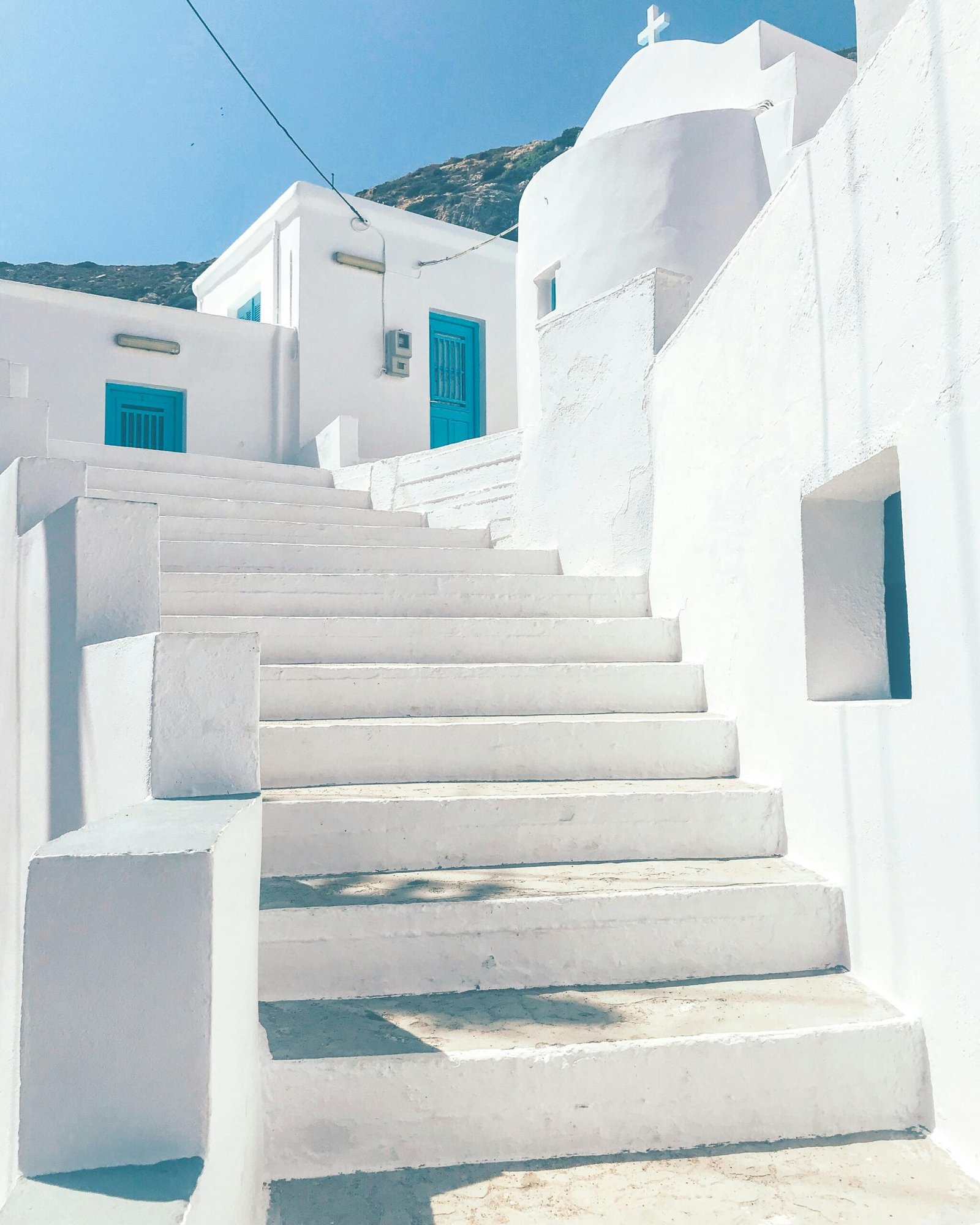
Why Most First-Timers to Santorini Leave Slightly Disappointed usually starts with a very specific assumption: that the island will feel like the image they have been carrying for years. People arrive expecting a neat, cinematic version of Greece, then run into crowds, heat, prices, and a pace that feels more managed than relaxed.
The disappointment is rarely about Santorini being bad. It is about the gap between fantasy and the actual conditions of visiting in peak season. That gap matters, because it shapes everything from where you stay to how much time you need to enjoy the island without feeling rushed or boxed in.
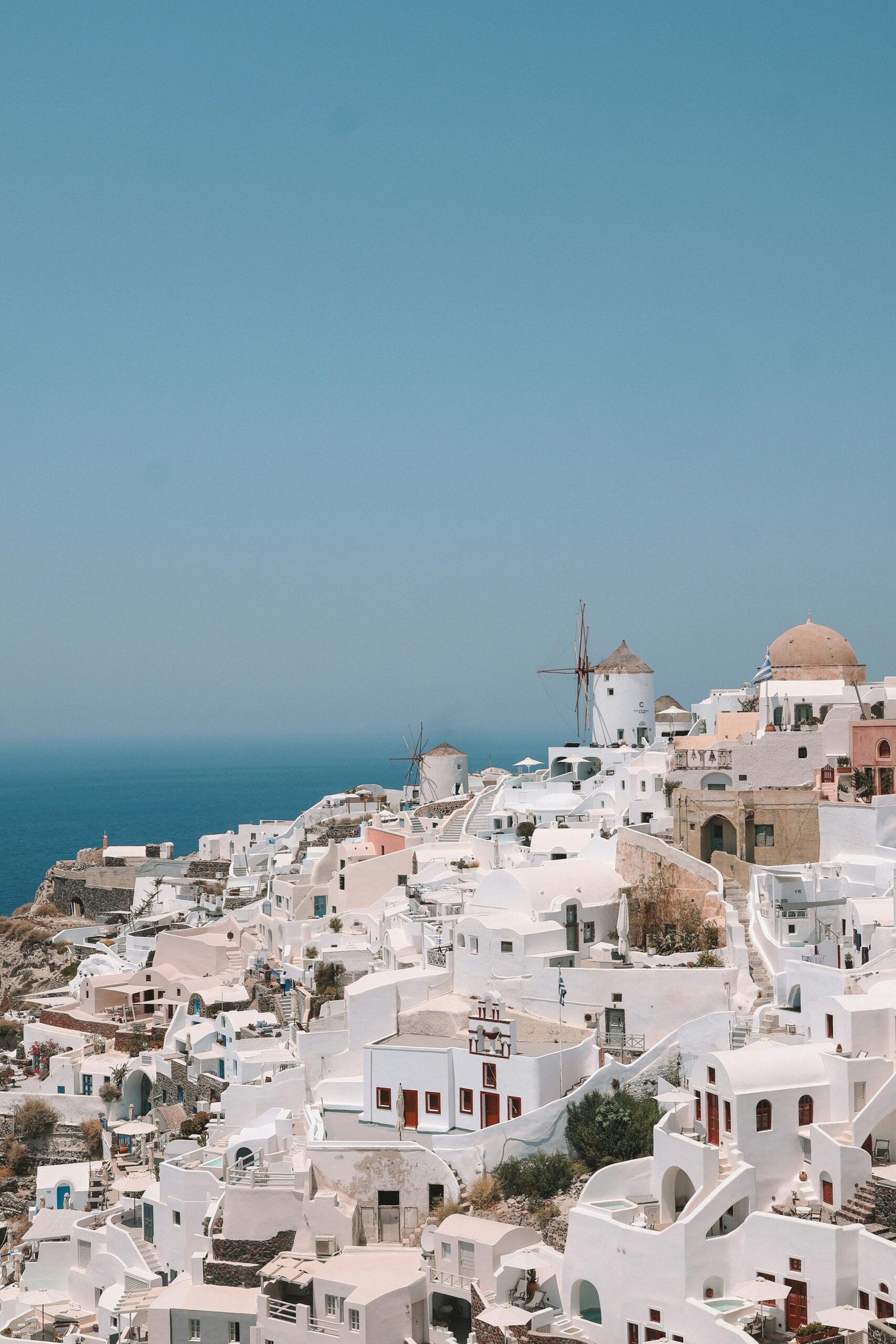
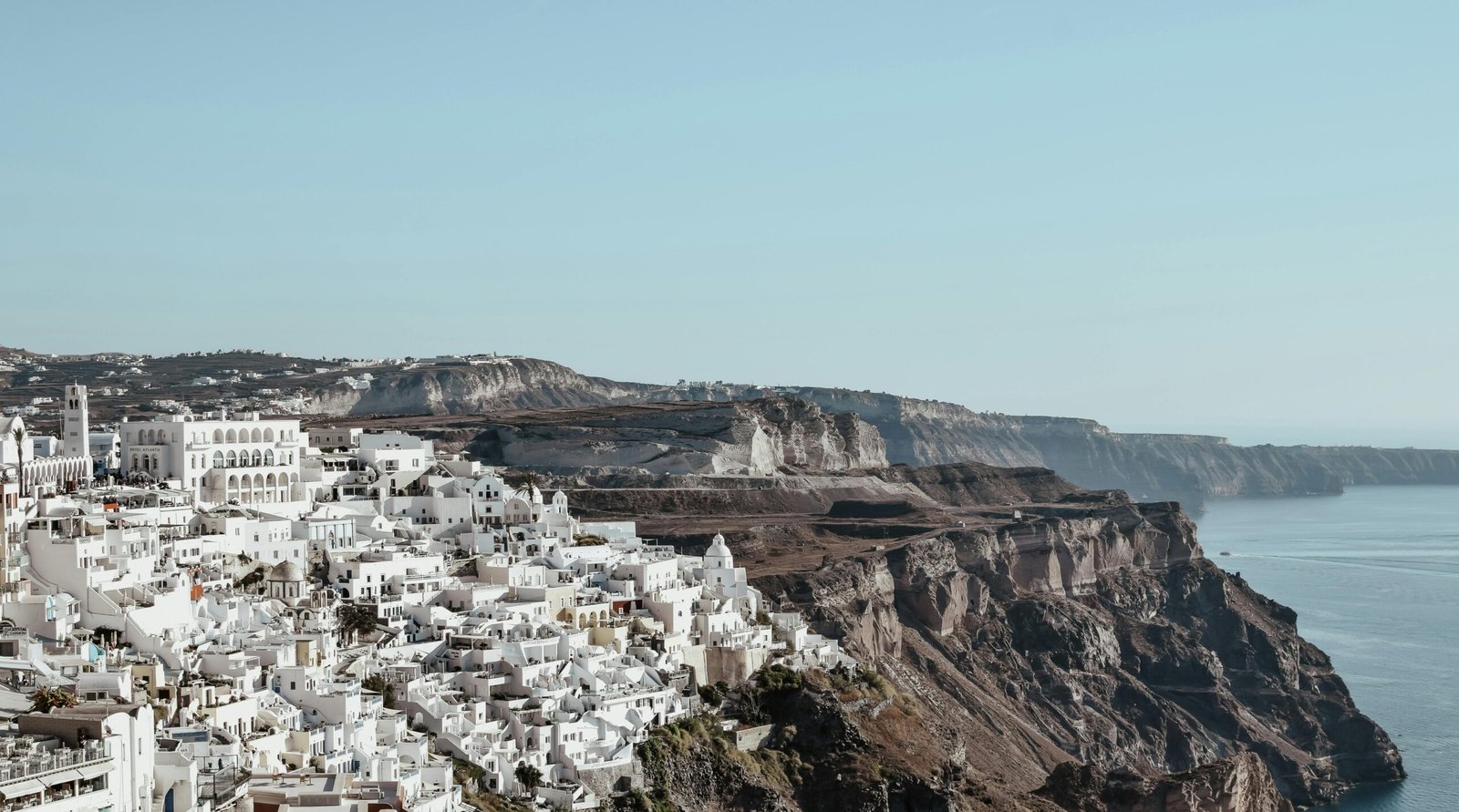
Why Most First-Timers to Santorini Leave Slightly Disappointed
Why Most First-Timers to Santorini Leave Slightly Disappointed is not a mystery to anyone who sells Greece for a living. The pattern is simple: travelers want a once-in-a-lifetime island, then choose the most famous version of it at the most crowded time of year. That is a setup for friction, even when the trip is objectively good.
The real issue is emotional. Santorini is often chosen as a symbol first and a destination second. People are not just booking a place to stay; they are booking the feeling they think they should have, and that puts the island under pressure it cannot reliably meet in peak season.
The fantasy is not wrong, but it is incomplete
Most first-timers picture Santorini as calm, exclusive, and visually orderly. They expect quiet terraces, easy movement, and enough space to absorb the view without sharing it with a crowd. That picture is not invented out of nowhere; it is just stripped of the operational reality that comes with the island’s popularity.
What gets missed is that Santorini is highly concentrated. The places people most want to see are also the places most people are funneled into, especially when cruise traffic and summer demand peak. The result is a destination that can feel both expensive and compressed, which is a bad combination for travelers who equate cost with comfort.
Why Most First-Timers to Santorini Leave Slightly Disappointed when they chase the image
People choose Santorini because they want certainty. They want to know they picked the “right” Greek island, and Santorini gives them a socially approved answer. It is the safest choice in the emotional sense, which is exactly why so many people make it without asking whether it suits their travel style.
This is where the mistake begins: the island is selected to validate a dream, not to solve a practical travel need. If you want long beaches, easy wandering, or a low-friction week, Santorini is not the cleanest fit. I say that plainly because too many first-timers spend money on the most famous island in Greece and then quietly realize they wanted something else.
The peak-season version of Santorini also creates a subtle psychological trap. The more crowded it feels, the more travelers try to “do it right” by squeezing in more viewpoints, more meals, more photo stops. That usually makes the trip feel less like a break and more like a performance.
The moment disappointment usually hits
It usually hits when the traveler realizes the island is not giving them uninterrupted space. That can happen when they first see how busy the main settlements feel, or when a simple dinner turns into a long wait in a place they assumed would feel effortless. The emotional shift is small but decisive: the trip stops feeling special and starts feeling managed.
Another common moment is sunset. People build up Santorini’s famous light into a peak emotional event, then discover they are sharing it with a dense crowd, often while standing in heat and dealing with noise, lines, and limited room. That is where the mismatch becomes hard to ignore, because the destination’s signature experience feels less intimate than advertised.
The travelers most prone to this pattern
- First-time Greece visitors who want a “best of Greece” experience in one stop
- Couples treating Santorini as a romance test rather than a place with real trade-offs
- Travelers with limited time who assume the most famous option is automatically the smartest one
- People who plan around social media images and underestimate crowd density
These travelers are not making foolish choices. They are making emotionally understandable ones. They want reassurance, ease, and a destination that feels instantly legible, but Santorini in peak season is not built to deliver that cleanly.
The psychological reason Santorini gets overselected
Santorini is a confidence purchase. It feels like a responsible splurge because it is widely recognized and easy to justify to yourself and to other people. That matters more than most travelers admit, especially after years of seeing the same island repeatedly framed as the essential Greek experience.
There is also a fear of missing out at work here. People worry that if they skip Santorini, they will have skipped Greece’s headline act. That fear is powerful, but it is not the same thing as actual fit. The island’s reputation creates a kind of emotional pressure that pushes travelers toward the most obvious choice, even when a different island would serve them better.
For broader context on how Greece presents itself to visitors,
Visit Greece is useful, but the official image still does not replace honest planning. A polished national message can help with orientation; it cannot tell you whether you personally will enjoy a crowded, premium-priced island in high season.
What people underestimate about peak season
The biggest underestimation is not crowds alone. It is the cumulative effect of crowds, heat, prices, and limited margin for spontaneity. Each one is manageable by itself; together they create a trip that can feel more transactional than restorative.
This is where Why Most First-Timers to Santorini Leave Slightly Disappointed becomes more than a headline. Travelers assume the island’s fame guarantees ease, but fame usually does the opposite in Greece’s most visited places. The more famous the destination, the more you need to think like an operator, not a dreamer.
And here is the counterintuitive part: many first-timers would enjoy Santorini more if they expected less from it. Not less quality, but less emotional perfection. The island works better when you treat it as a high-demand place with real limits, not as a stage set that will rearrange itself around your expectations.
What a better approach looks like
A better approach starts with asking what you actually want from the trip. If the answer is atmosphere, design, and a strong visual identity, Santorini can still fit. If the answer is ease, variety, and a relaxed pace, you should be honest that Santorini may not be the strongest match.
This is also where sequence matters. Santorini placed at the wrong point in a Greece trip can make everything feel more expensive and less forgiving. Put it in the wrong emotional slot, and the island becomes the place where fatigue shows up, not the place where the trip peaks.
The cleanest way to think about it is this: Santorini is best when chosen deliberately, not automatically. That distinction is what separates travelers who feel satisfied from travelers who leave wondering why the famous version did not match the real one.
Why Most First-Timers to Santorini Leave Slightly Disappointed is really a planning problem
By the time people arrive, the decision is already baked in. They have chosen the island based on image, social proof, and the desire to feel they picked well. The problem is not that Santorini fails; it is that the traveler’s expectation was built on the wrong emotional model.
If you want a better outcome, stop asking whether Santorini is worth it in abstract terms. Ask whether you want a high-demand destination with strong visual payoff and real friction, or whether you want a place that gives you more breathing room. That question is more useful than any ranking list.
For travelers who want to understand the broader cultural context behind Greek destinations, the Greek Ministry of Culture is a solid reference point. It will not tell you how crowded an island feels in August, but it does remind you that Greece is not a single travel product; it is a country with very different rhythms, and Santorini is only one of them.
Recognizing the pattern is the first step. The second is building a trip around how you actually travel — not the traveler you imagine yourself to be. Most great Greece experiences start with that honesty.
Frequently asked questions
Why do first-time visitors expect Santorini to feel more relaxed than it does?
Because Santorini is marketed and shared as an image first. Many travelers absorb the visual version of the island and miss the practical reality of crowds, concentrated demand, and peak-season pressure.
Is Santorini still worth visiting for a first trip to Greece?
Yes, if you want a highly recognizable, visually strong destination and you understand the trade-offs. It is not the best choice for travelers who want space, ease, or a low-friction island experience.
What is the most common reason people feel let down in Santorini?
The most common reason is the mismatch between expectation and conditions. People expect an effortless premium experience and instead encounter crowding, higher prices, and less flexibility than they planned for.
Which travelers are most likely to be disappointed by Santorini?
First-time Greece visitors, couples chasing a romance narrative, and travelers who choose the island because it is famous rather than because it fits their style are the most vulnerable to disappointment.
Does going in peak season make Santorini worse?
For many first-timers, yes. Peak season intensifies the island’s main weaknesses: crowding, heat, and limited room for spontaneity. The island can still be enjoyable, but it becomes less forgiving.
How should I think about Santorini differently before booking?
Treat it as a high-demand destination with clear trade-offs, not as a guaranteed dream setting. If you choose it deliberately, you are far more likely to enjoy it.